Tag: Cuba

  • That Girl

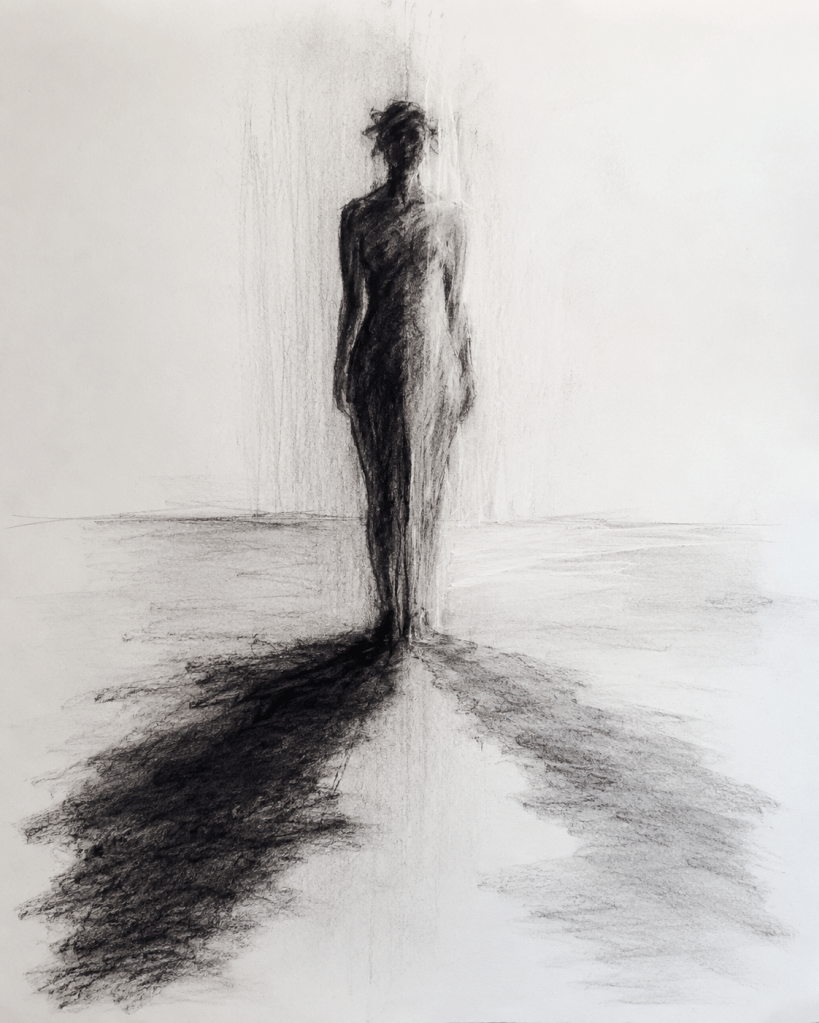
    That girl
    too Cuban to understand
    that the room was poor.

    Memory does not return whole.

    It comes back
    as floor
    as heat
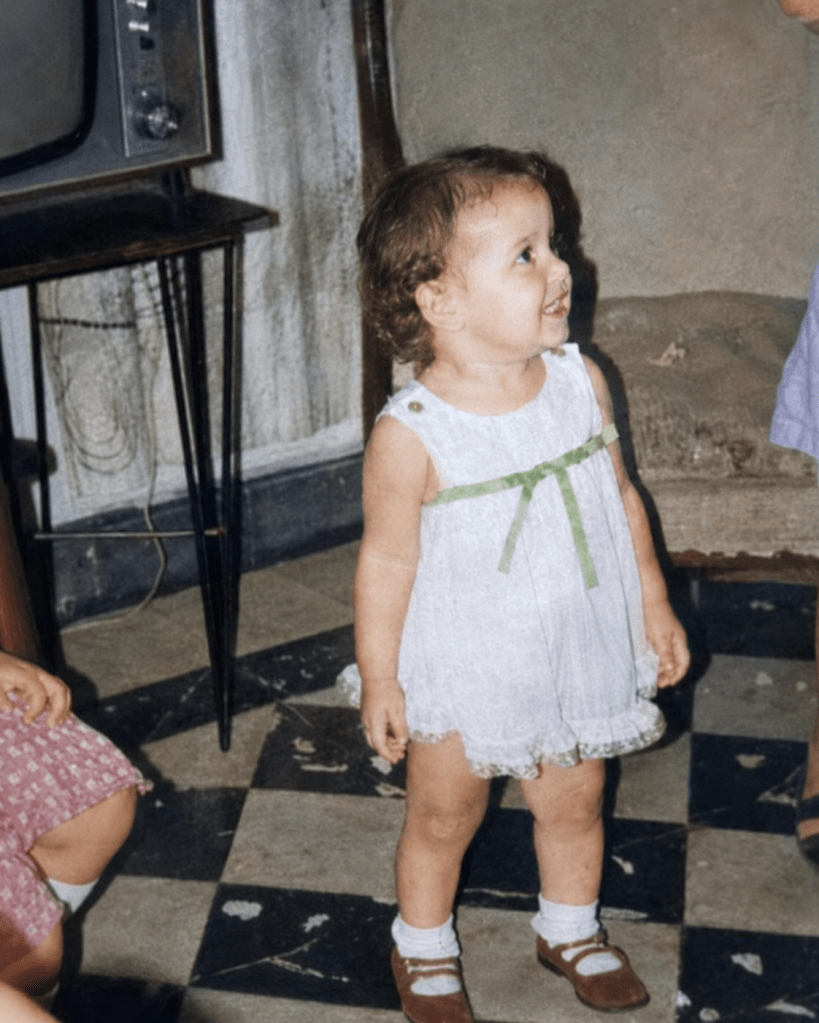
    as an old television
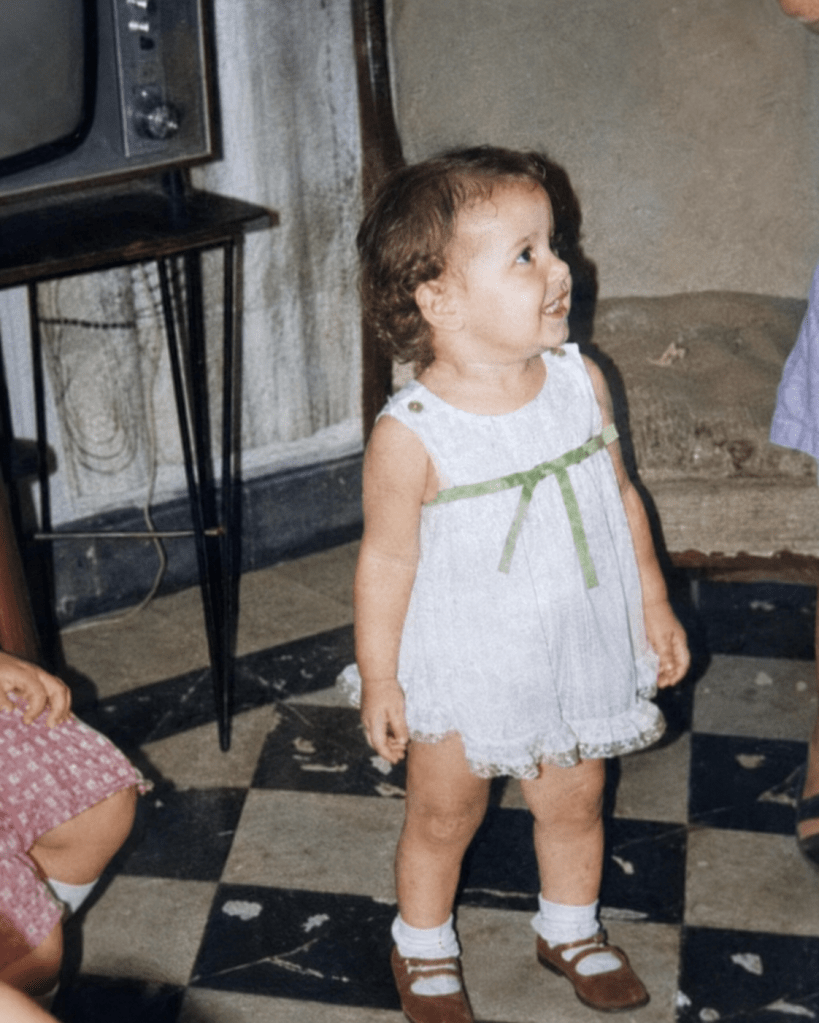
    as a dress on the body
    as shoes on the feet.

    My grandmother
    and my aunts
    dressed all of us.

    They took fabric
    that had already lived
    bent over it
    measured it
    cut it

    and somehow
    made girls
    out of remnants.

    A hem.
    A ribbon.
    A sleeve.

    The quiet proof
    of being cared for.

    And somewhere
    between the port
    my father’s hands
    and whatever the sea
    allowed to arrive

    the best pair of shoes
    I ever had
    landed in his hands

    then landed
    on my feet.

    Suede.

    Not new.

    They had belonged
    to another child first

    had crossed
    another floor
    another room
    another life.

    And still
    they came to me.

    No box.
    No paper.
    No explanation.

    Only my father
    bringing home
    a softness
    the world had already touched

    and placing it
    beneath me.

    Imagine that

    a country
    with stones in the rice

    and my feet
    in suede.

    A house
    with very little

    and me
    standing there
    adorned.

    That girl
    did not know
    she was poor.

    She knew cloth
    could become a dress.

    She knew shoes
    did not have to be new
    to arrive like mercy.

    She knew a father
    could bring tenderness home
    without calling it love.

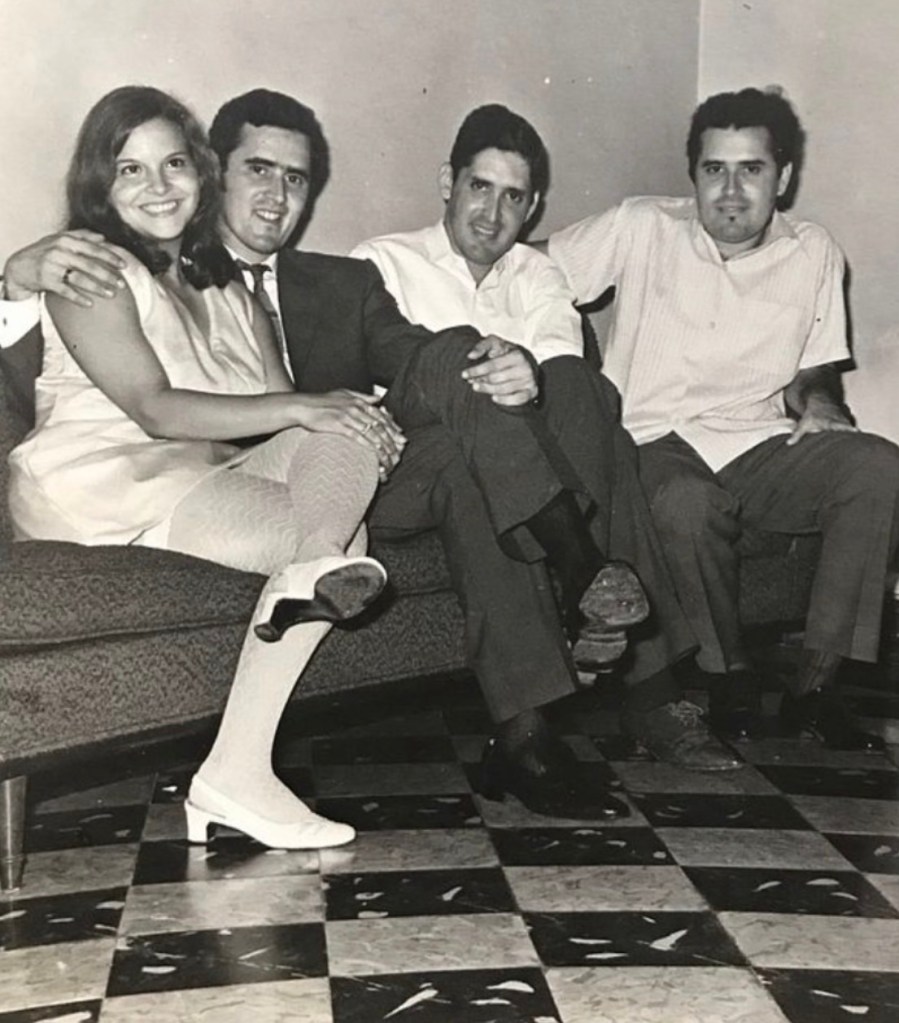
    And there she was

    small knees
    white dress
    secondhand suede

    too young
    to understand scarcity

    old enough
    to feel blessing

    when it touched
    her feet.

    My memory is fragmented.

    But maybe fragments
    are the truest things I have

    the dress
    the shoes
    the floor
    the hands

    the pieces
    that survived me.

  • My Mother

    My mother and I share the same blood.

    B Rh-negative.

    The same rare inheritance.

    The same river moving through us.

    The same red history traveling from one body into another.

    She carried me beneath her heart for nine months.

    An entire season of becoming.

    Blood teaching blood how to assemble itself.

    Bone finding bone.

    A spine.

    A mouth.

    Ten fingers opening toward a life neither of us had seen.

    She made my body.

    This is no small thing.

    The original shelter.

    The dark and sacred room where I began.

    But the older I become the more I understand that being born from someone does not guarantee being understood by them.

    The womb creates a body.

    It does not necessarily create recognition.

    My mother and I share the same blood.

    B Rh-negative.

    The same rare inheritance.

    And still, we spent years trying to find a language large enough to hold us both.

    My mother spoke.

    God, how she spoke.

    Stories.

    Worries.

    Grievances.

    Disappointments.

    The thousand daily abrasions of being alive.

    She sat me down and handed me pieces of adulthood long before I was large enough to carry them.

    And because I loved her

    I did.

    I listened.

    I absorbed.

    I learned the weather patterns of another person’s sorrow before I had learned my own.

    I became her witness.

    Her companion.

    Her sounding board.

    The child at the other end of conversations meant for grown women.

    Perhaps that is why language became my native country.

    Why I reach for words the way other people reach for prayer.

    Why I cannot leave a question unanswered.

    A feeling unnamed.

    A loose thread hanging from the hem of a perfectly good life.

    I learned early that everything must be examined.

    Everything discussed.

    Everything understood.

    And I am tired.

    Not of my mother.

    Never of my mother.

    I love her.

    Love has never been the problem.

    The problem is that love and understanding are often mistaken for twins when they are merely neighbors.

    So we spent years waving to one another across a distance neither of us knew how to cross.

    Then there was my father.

    A man who seemed perpetually occupied by some private cosmic adventure.

    A man of so few words that silence gathered around him like a second skin.

    Yet I could sit beside him for an entire afternoon and feel more understood than I did in conversations that lasted years.

    He never asked me to carry his grief.

    Never handed me the weight of his interior life.

    He simply made room for mine.

    And when he died everyone assumed I was grieving a father.

    What I was grieving was recognition.

    The rare miracle of being witnessed without explanation.

    Without performance.

    Without the exhausting labor of translating myself into a language someone else might finally understand.

    Perhaps that is why unfinished things haunt me.

    Why I pull every thread.

    Why I interrogate every silence.

    Why I stand before mysteries demanding they surrender their meaning.

    I spent my childhood holding one end of conversations that never seemed to end.

    Of course I grew into a woman who wants answers.

    Of course I became someone who believes every story deserves a conclusion.

    But lately

    I am beginning to suspect

    that not everything unfinished

    is broken.

    That not every silence is withholding something.

    That some people love us through language.

    And others through presence.

    That understanding sometimes arrives speaking.

    And sometimes arrives and simply sits beside you.

    The same blood does not guarantee recognition.

    The same house does not guarantee understanding.

    And yet—

    love persists.

    My mother and I

    still waving across the distance.

    My father gone and somehow still answering me.

    The child I was

    standing between them

    learning two different dialects of devotion.

    One made of words.

    One made of silence.

    And all these years later

    I am still trying to become fluent in both.

  • Women of Salt

    It never took much to fill my stomach.

    I thought that was simply the way I was.

    A small appetite.

    A child satisfied easily.

    Years later I understood that hunger had already been negotiated long before the plate reached me.

    The women in my family were experts at subtraction.

    A little less for themselves.

    A little more for everyone else.

    No announcements.

    No speeches.

    No visible sacrifice.

    Just small adjustments made so often they became invisible.

    A spoonful here.

    A portion there.

    A second helping quietly redirected.

    The mathematics of survival.

    I never noticed it as a child.

    Children rarely do.

    I thought food simply appeared.

    I thought dinner was dinner.

    I thought everyone lived this way.

    I did not understand that somewhere between the kitchen and the table, someone had already decided I would eat first.

    This was Cuba.

    Not the Cuba in photographs.

    Not the Cuba tourists carried home in their suitcases.

    A society of shortages.

    Food shortages.

    Soap shortages.

    Fuel shortages.

    Power outages that arrived without warning.

    The endless improvisation required to survive them.

    And yet the women continued.

    They always continued.

    I remember entire aisles filled with Russian canned meat.

    The same can.

    Again and again.

    Shelf after shelf.

    As though variety itself had become a luxury.

    As though eating anything else had ever been an option.

    At the time none of it felt strange.

    Children accept the reality they are given.

    The astonishing becomes ordinary very quickly.

    I remember ash being gathered and sifted through cloth until only the finest powder remained.

    No splinters.

    No debris.

    Only a soft gray dust.

    Then the dishes were washed with it.

    Astonishing, but true.

    The meal fed the family.

    The fire cooked the meal.

    The ashes cleaned the plates.

    Nothing was wasted.

    Not food.

    Not labor.

    Not a single useful thing.

    I remember the ash beneath their fingernails.

    The smell of smoke that never seemed to leave their clothes.

    The certainty with which they moved through scarcity.

    As though survival were not remarkable.

    As though it were simply what morning required.

    Looking back, I realize they treated themselves the same way.

    Reducing here.

    Stretching there.

    Giving and giving until very little remained.

    And somehow still finding enough to offer.

    Perhaps that is why it never took much to fill my stomach.

    I was eating from portions made larger by the hunger of women who loved me.

    I miss these women.

    More than I know how to explain.

    Not because they were perfect.

    Not because they never failed.

    Because they understood things I am only now beginning to understand.

    The quiet negotiations of love.

    The invisible mathematics of survival.

    The dignity of continuing.

    I see every version of myself in them.

    The woman who worries.

    The woman who nurtures.

    The woman who remembers.

    The woman who gives more than she should.

    The woman who keeps going.

    Sometimes I think inheritance has very little to do with what we are given.

    Perhaps inheritance is recognition.

    The sudden realization that the people we miss never truly leave.

    They remain in our gestures.

    In our habits.

    In the way we love.

    In the way we endure.

    Today I feel as though I lived a life only fiction could properly explain.

    Not because it was tragic.

    Not because it was beautiful.

    Because it was both at once.

    The kind of life where dishes were washed with ashes.

    Where store shelves repeated the same can until repetition itself became abundance.

    Where women performed miracles and called it chores.

    The women in my family were made of salt.

    ‘Women of Salt’

    The proof was everywhere.

    In the sweat.

    In the sea surrounding the island.

    In the meals that appeared when there should have been none.

    In the hands that gave more than they kept.

    In the quiet arithmetic that took place before every meal.

    And when I look closely enough, I find them everywhere.

    Including myself.

  • The Leaving

    Cuba is like love

    Beautiful enough
    to ruin people

    An island of salt and longing
    where everything beautiful
    learns to survive
    beside absence

    You carry it long after leaving

    Cuba is like love
    because it survives on contradiction

    You stand before the sea
    thinking something so beautiful
    should have saved everyone

    And yet beauty has never been protection

    Still
    people return to it in their minds forever

    Like first loves
    Like impossible loves
    Like homes that continue living inside the body
    long after the body has gone elsewhere

  • Living in Exile

    America must understand this:

    No one leaves home
    because they are bored

    No one places oceans
    between themselves
    and the people they love
    for curiosity

    Human beings are not trees
    We do not rip our own roots from the earth
    unless the ground beneath us
    has stopped allowing us to live

    My parents were not chasing luxury

    They were chasing breath
    Possibility
    A future large enough
    for their children to stand upright inside

    And what courage it must require
    to leave behind everyone you love
    while pretending to your children
    that you are not terrified

    To smile on the journey
    To call sacrifice an opportunity
    To hide grief inside hard work

    America sees immigrants arrive

    But it rarely sees
    what they carried here invisibly:

    The funerals they missed
    The mothers they could not hold again
    The fathers who grew old
    in photographs

    There are people in this country
    who have spent decades
    loving their homeland from afar
    like one mourns someone still alive
    but impossibly unreachable

    That is exile

    Not politics
    Not headlines

    Exile is waking up some mornings
    unable to explain
    why your heart aches
    for a street that no longer exists
    the way you remember it

    And still
    They build
    They work
    They love this country too

    Because gratitude and grief
    can live inside the same body

    Because human beings
    are capable of carrying
    two homes at once

    The one that made them
    and the one that finally allowed them
    to dream without fear

  • Freedom’s Address

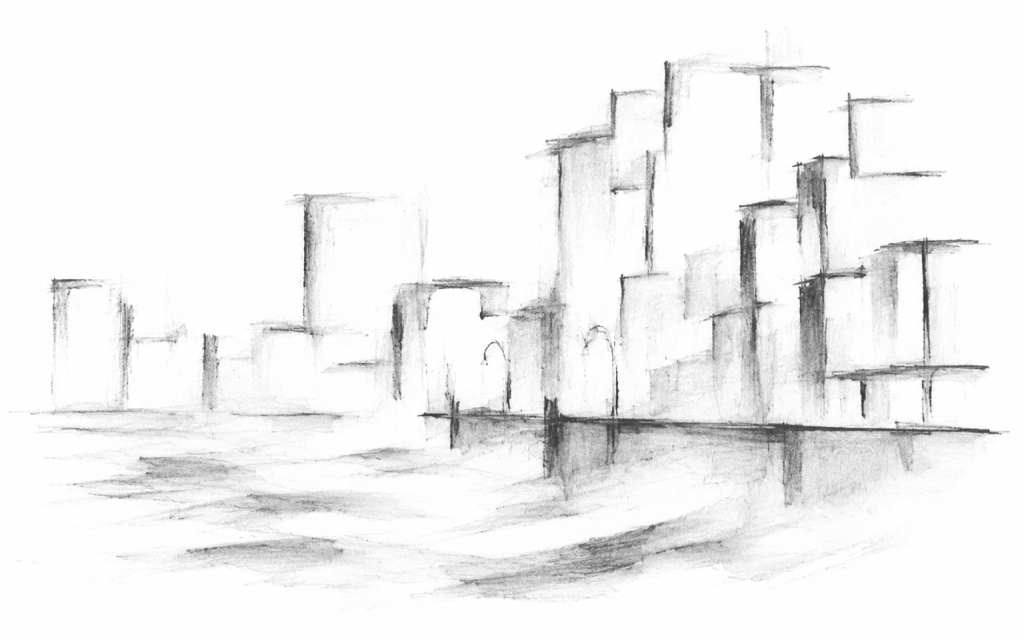
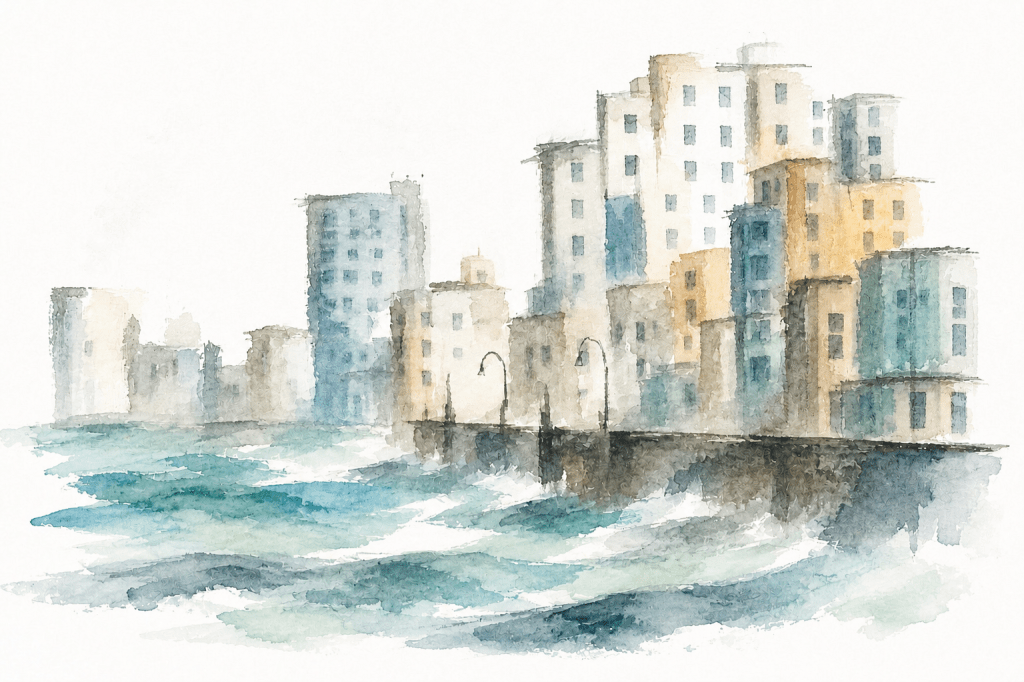
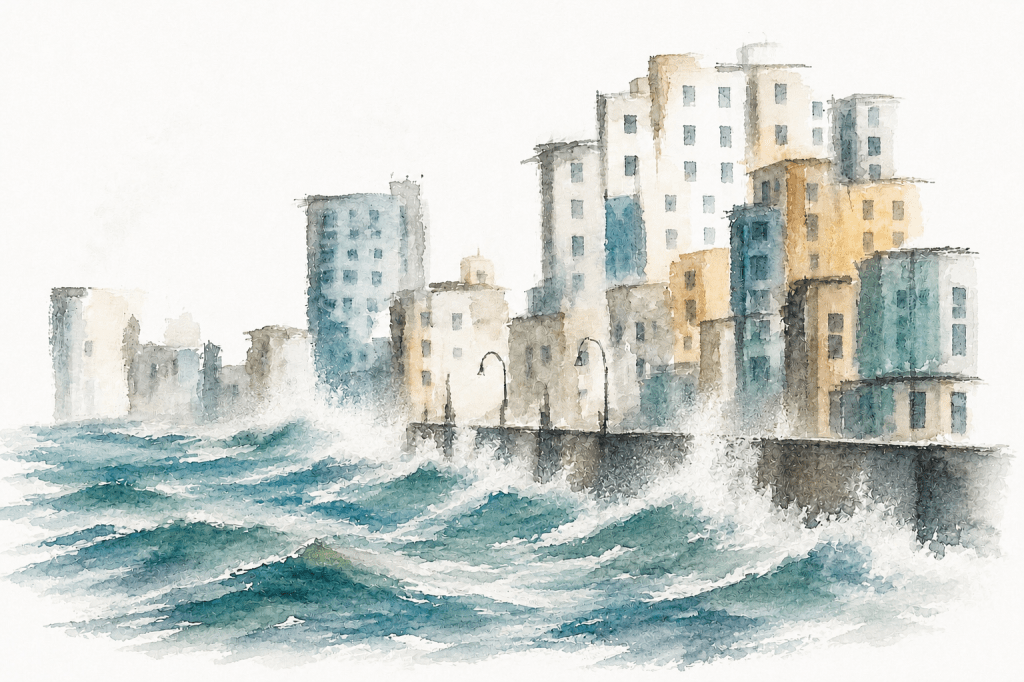
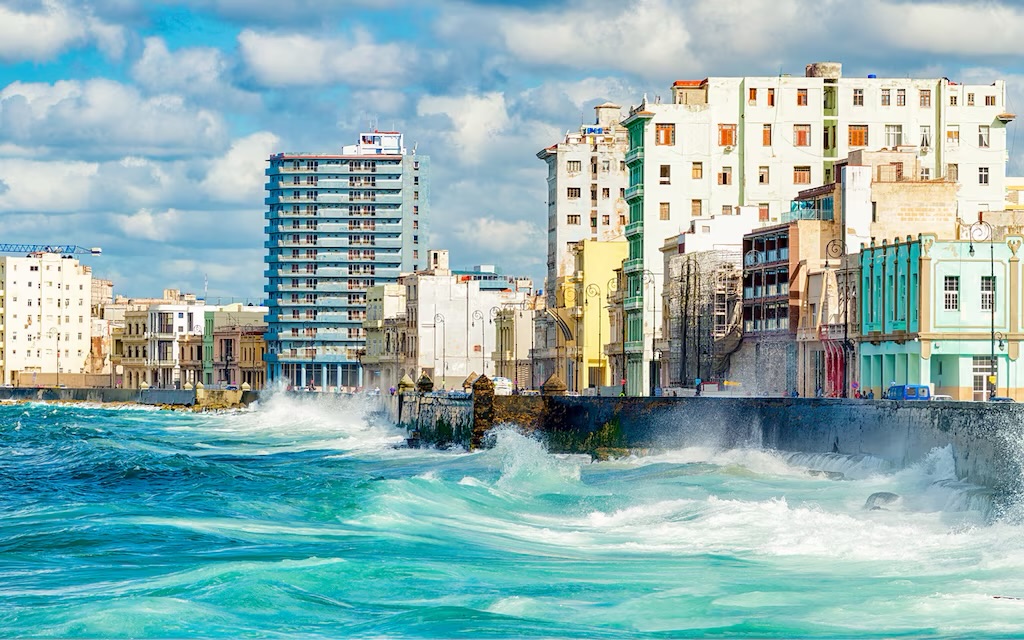
    My childhood home stood two blocks from the sea

    Not metaphorically

    Truly

    Two blocks of crumbling pavement
    past the embassies with their iron gates
    and foreign flags lifting beautifully
    in the Caribbean wind
    like freedom had an address
    and we did not

    I remember the terrible contrast of it

    chauffeurs polishing black cars
    while old women downstairs
    watered thin soup to feed five mouths

    Diplomats drinking imported whiskey
    behind guarded glass
    while boys in torn sandals
    kicked flat soccer balls through alleyways
    smelling of salt
    kerosene
    and exhaustion

    And yet the ocean belonged to everyone

    That was the unbearable beauty of Cuba

    The poor could stand at the Malecón at dusk
    beside men who had never missed a meal
    and both would fall silent
    before the same enormous water

    Because the sea did not care
    who was oppressed
    and who carried a passport out

    It touched every stone equally

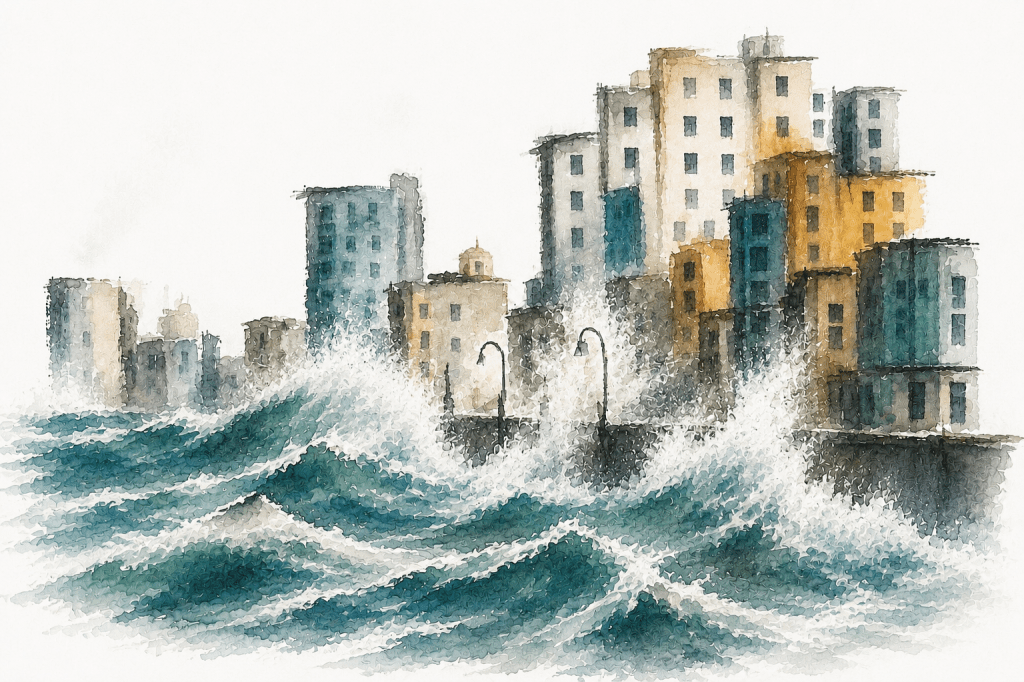
    At night
    the waves struck the seawall so hard
    the spray reached the streets
    cool against our faces
    like the island itself
    refusing to die quietly

    I grew up understanding freedom
    not as politics

    but as distance

    As horizon

    As the ache of watching ships
    become smaller and smaller
    until they dissolved completely
    into another life

    Some nights
    the grownups lowered their voices
    when certain subjects entered the room

    But the ocean
    the ocean never whispered

    It roared openly beside us

    Restless
    Uncontained

    I think that is why Cubans carry sadness
    so elegantly

    We were raised beside something infinite
    while living inside limitation

    Raised hearing waves
    crash against stone
    over
    and over
    and over again

    as if the earth itself
    believed no wall
    should remain standing forever

    Even now
    far from that coastline
    I still need water near me

    Not for leisure
    Not for beauty

    For memory

    Because somewhere inside me
    there is still a little girl
    walking toward the sea at twilight
    past embassies glowing gold
    past tired buildings collapsing inward
    past the unbearable divide
    between the free and the trapped

    believing
    with her entire heart
    that the horizon meant
    there had to be more than this
  • Outsider

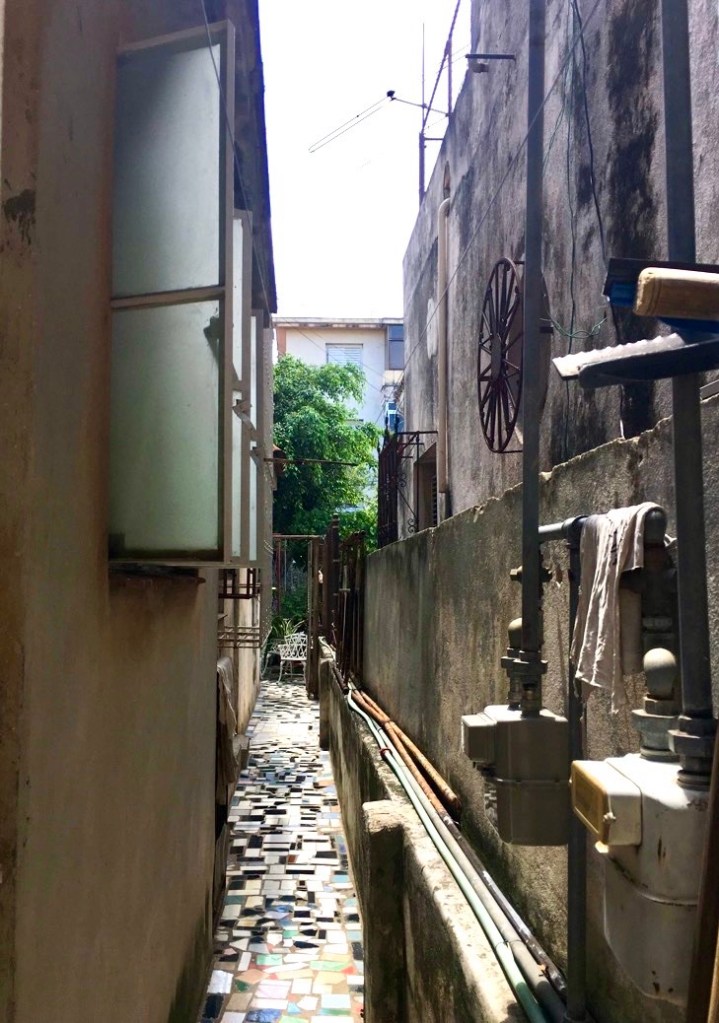
    Took my first steps

    On this corridor

    Unleveled earthiness

    Saw myself reflected

    In a rush of energy

    Becoming self aware

    That I had just met my soul

    It kissed my forehead

    From birth to forever

    With only God in between

    Punctually swallowing

    All of my blues

    With such artistry

    That when I glance at my children

    I do it

    With eyes closed

    Because I too

    Saw my life

    Pointing back at me

    Ciudad Habana, Cuba
  • Catalina

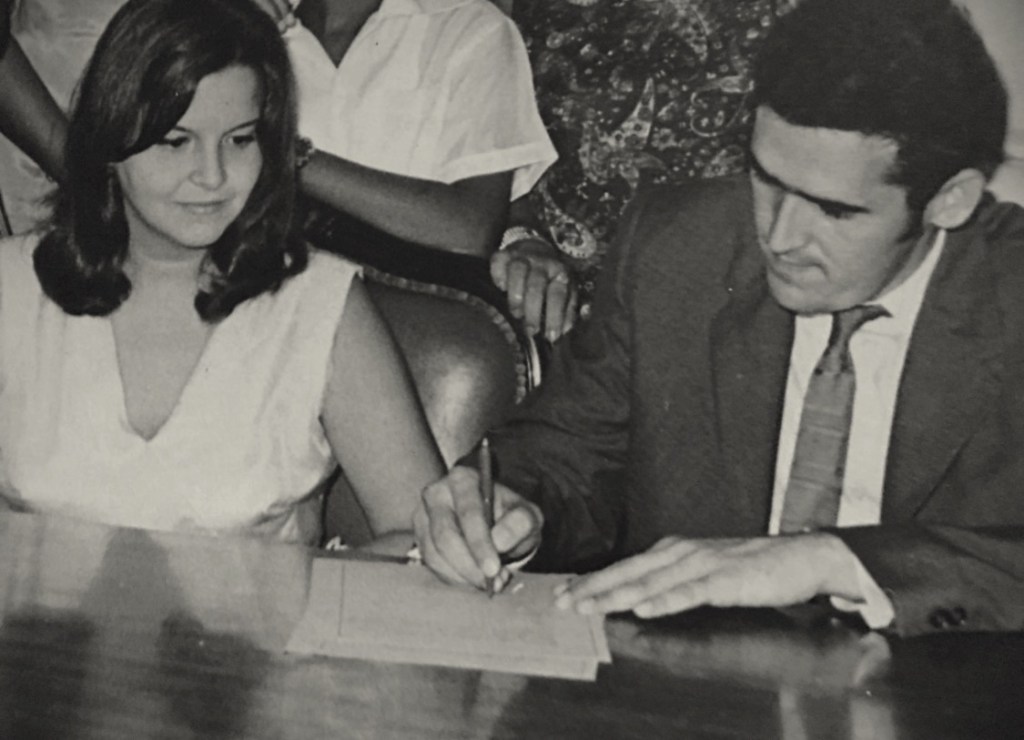
    The day my mother married

    Hers, weeped

    Futurity of leaving Cuba, gone

    She grieved her only child

    All efforts to bring her home, futile

    Through the years

    And under a fleet of angels

    I saw myself

    Reflected in her

    Superbly waiting for motherhood

    Incessant fire, love that burns

    Like a tower, in me

  • Incandescent

    familial • ashes

    surrounding its coast

    superb • is to forget

    because •

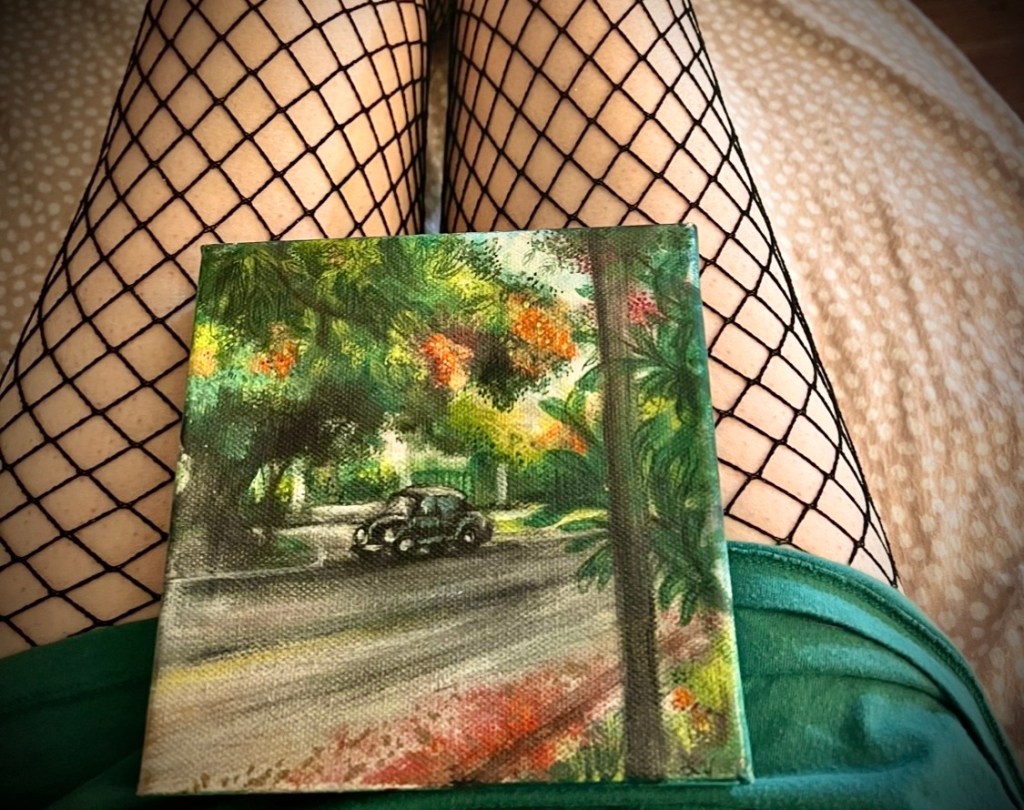
    in this • geology

    anonymity is defeated

    by flamboyant royals

    their vast sweeping branches

    its flowering habit

    embracing an entire island

    that has lost all hope

    – Cuba 2026

  • 109

    Orbits of grace

    At the in’s of me

    Right here

    I fall

    110

    Times a day

    Like something

    That still glows

    Tucked, under

    A single address

    My land of traumas

    Heightened with fear

    A place that holds

    My childhood

    So terrifyingly

    Deciphering torment

    And the inability

    To seek help

    From people

    Who watch you

    Fall, in less dirt

    Painful terrains

    This is Cuba – 1979

    Martyrs of disguise

    Making parenthood

    Less fiable

    As everyone

    Is too busy

    Surviving

    Their

    Own

    Imprisonment

    I’ve been

    A lonely walker

    For decades

    This life

    Has taught me

    To believe

    That above my name

    There is a vacancy

    A beautiful sky

    With blue lips

    That speak for me

    Making peace

    For the rest

    Of my existence

    Like a road

    That is long

    Yet spangled

  • ‘in no particular order’

    Hang over my feet

    Like lousy flowers

    That love just like me

  • L’absente

    Tried to draw

    The sound of you

    All I found, was . .

    A flying crate