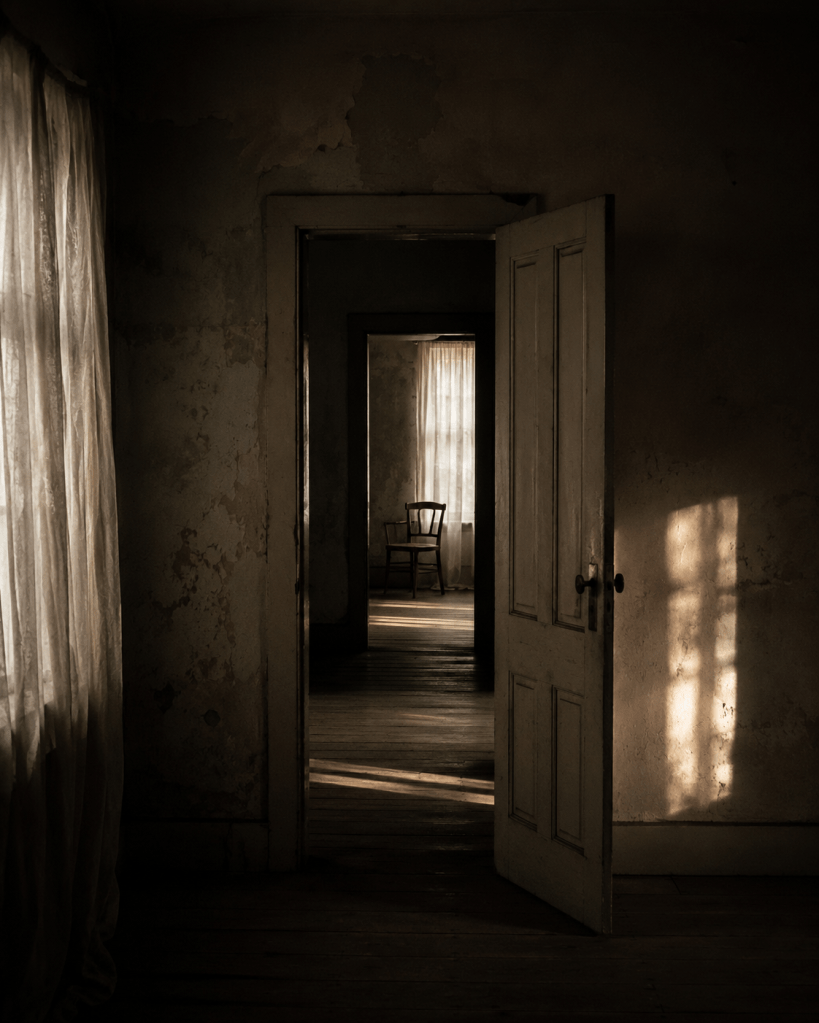
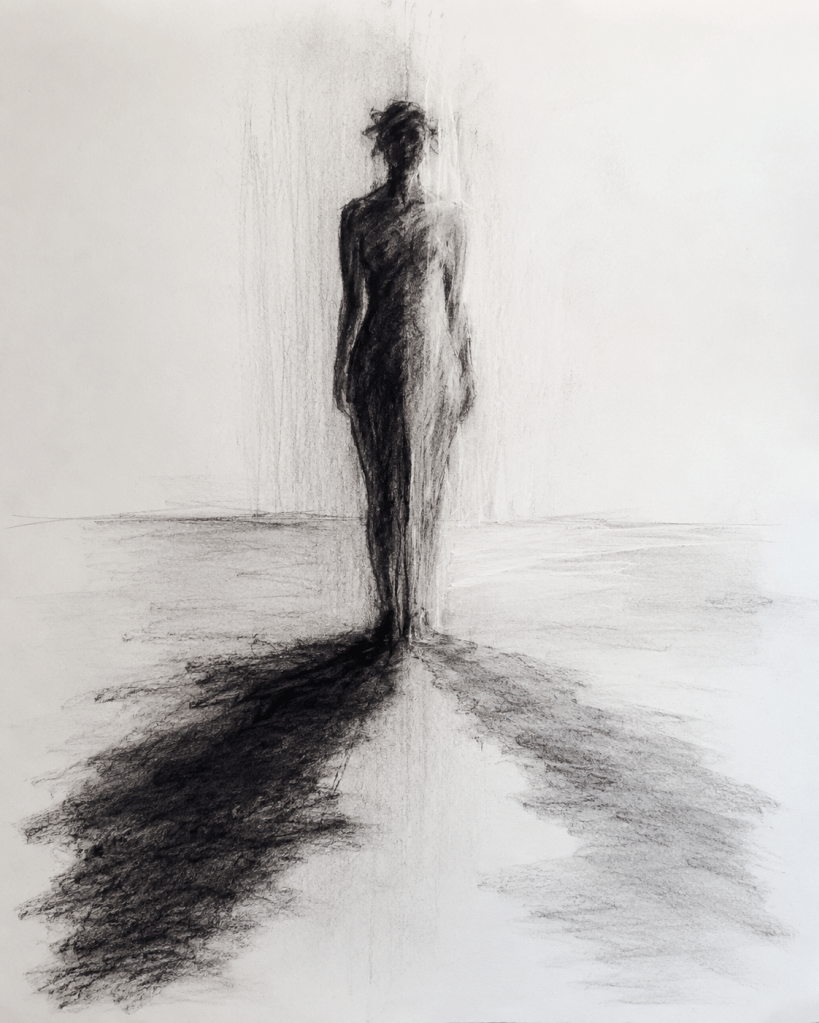
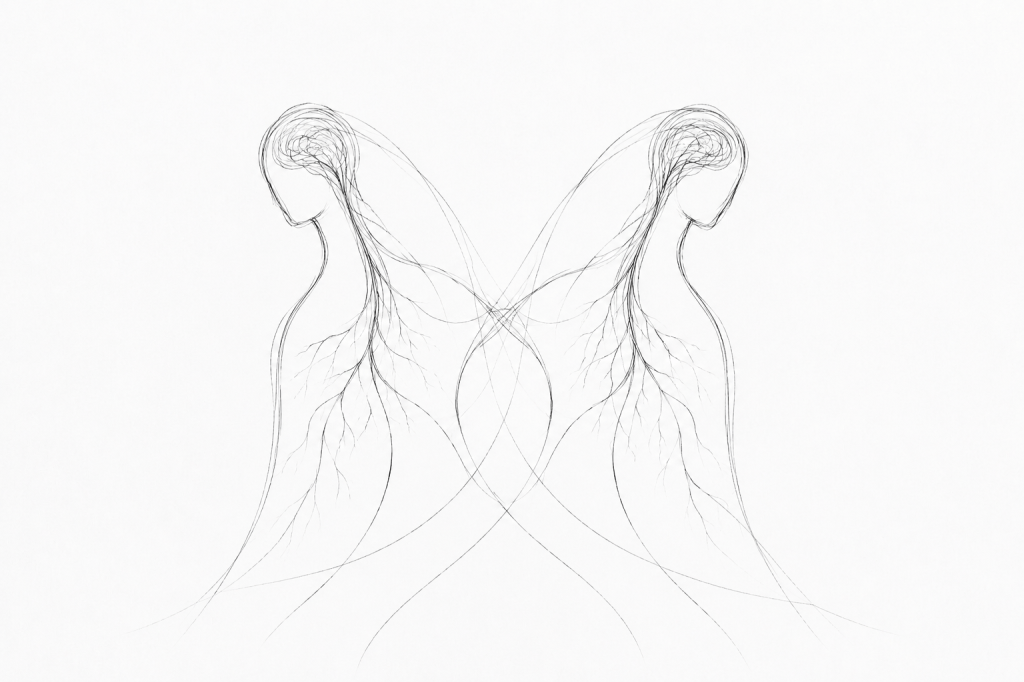
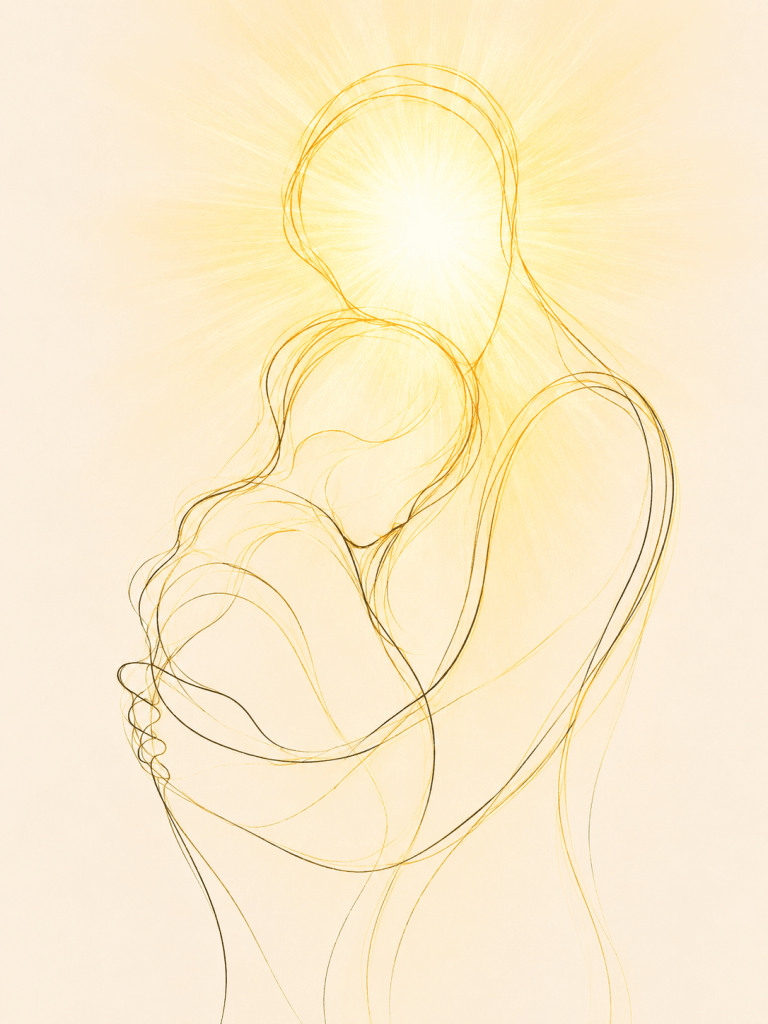
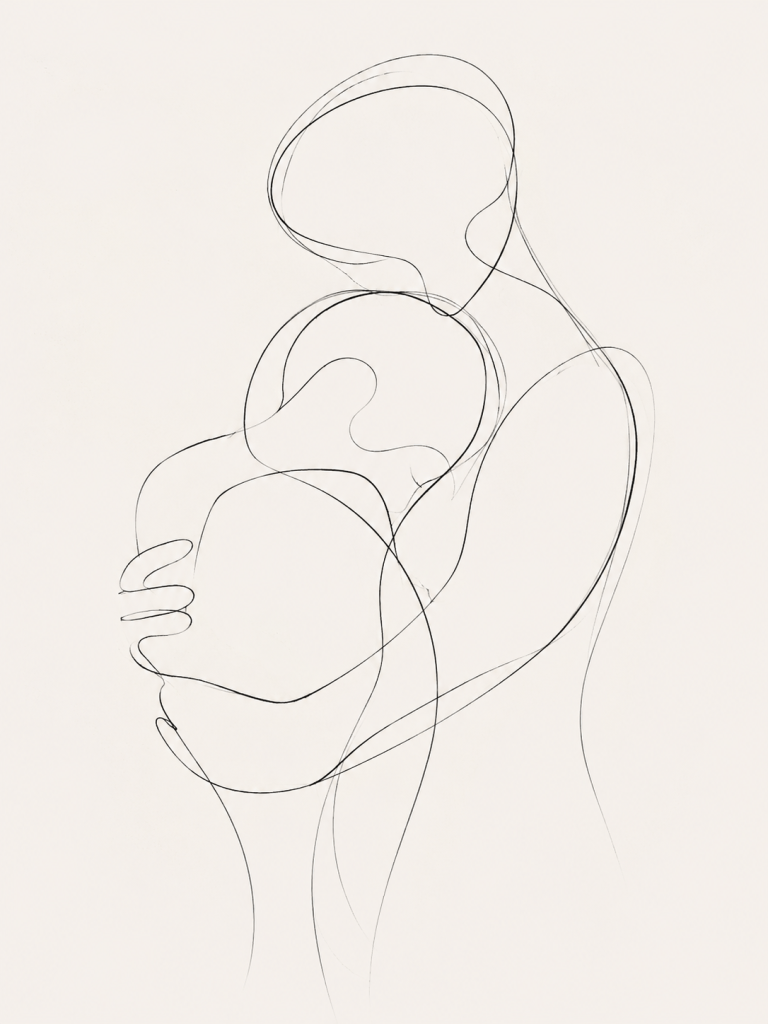
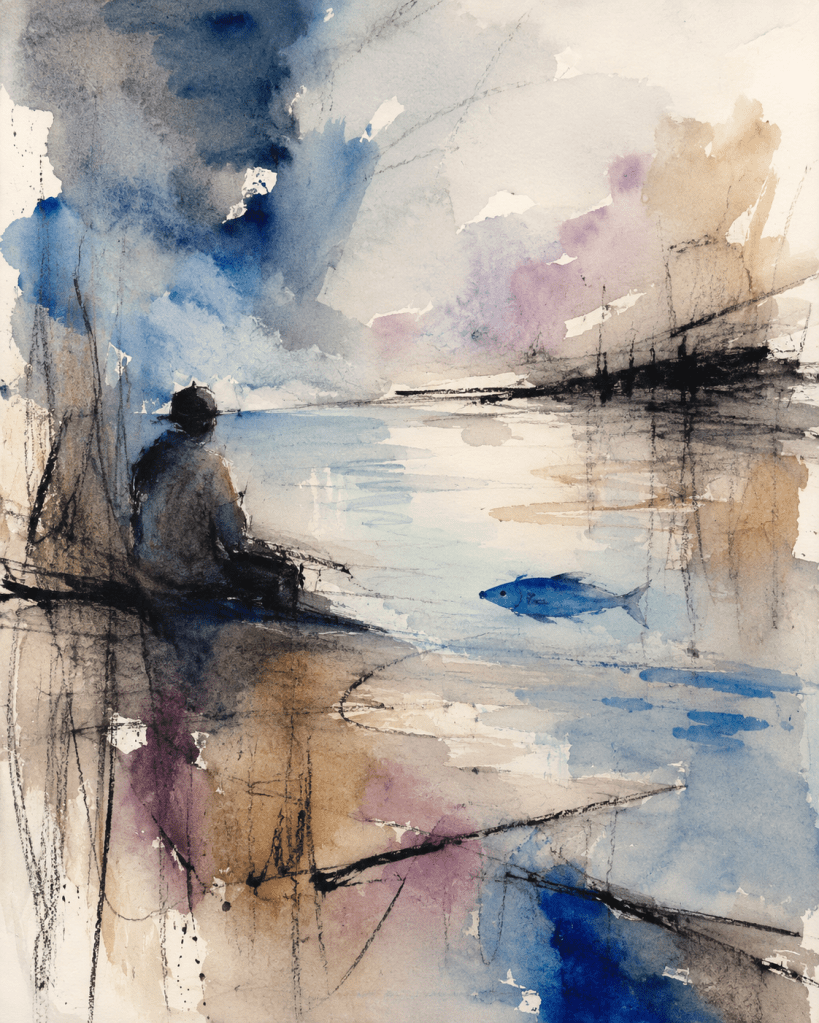
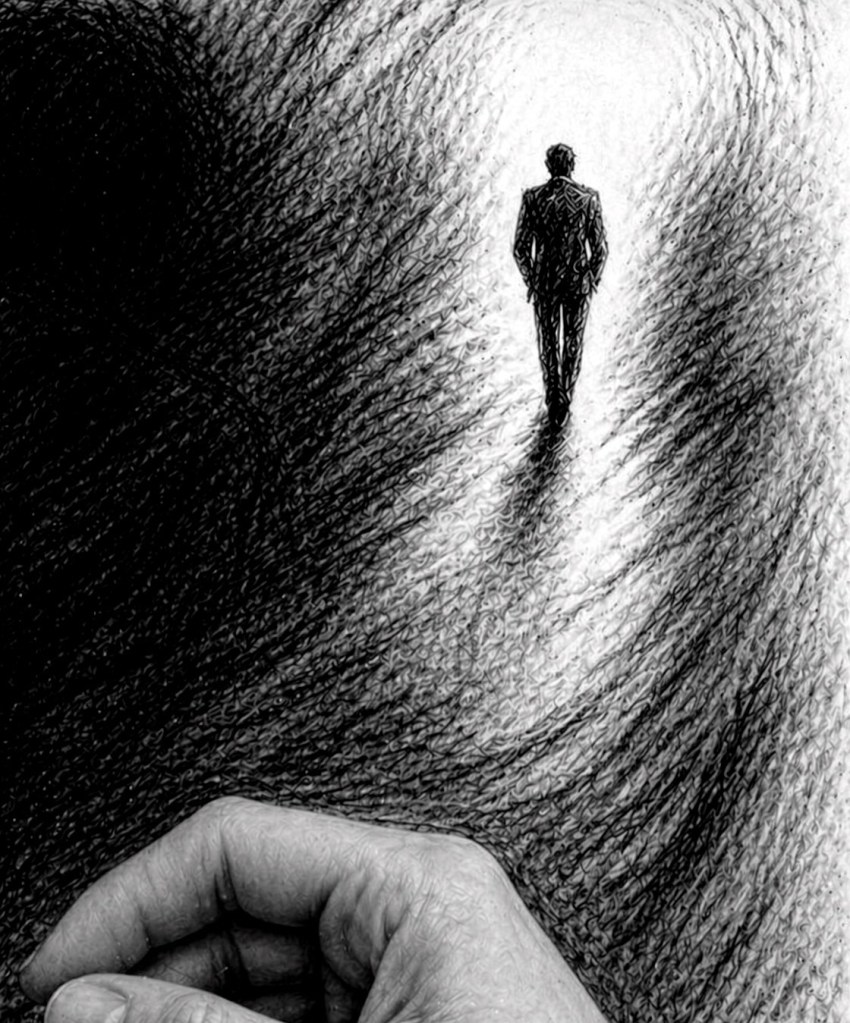
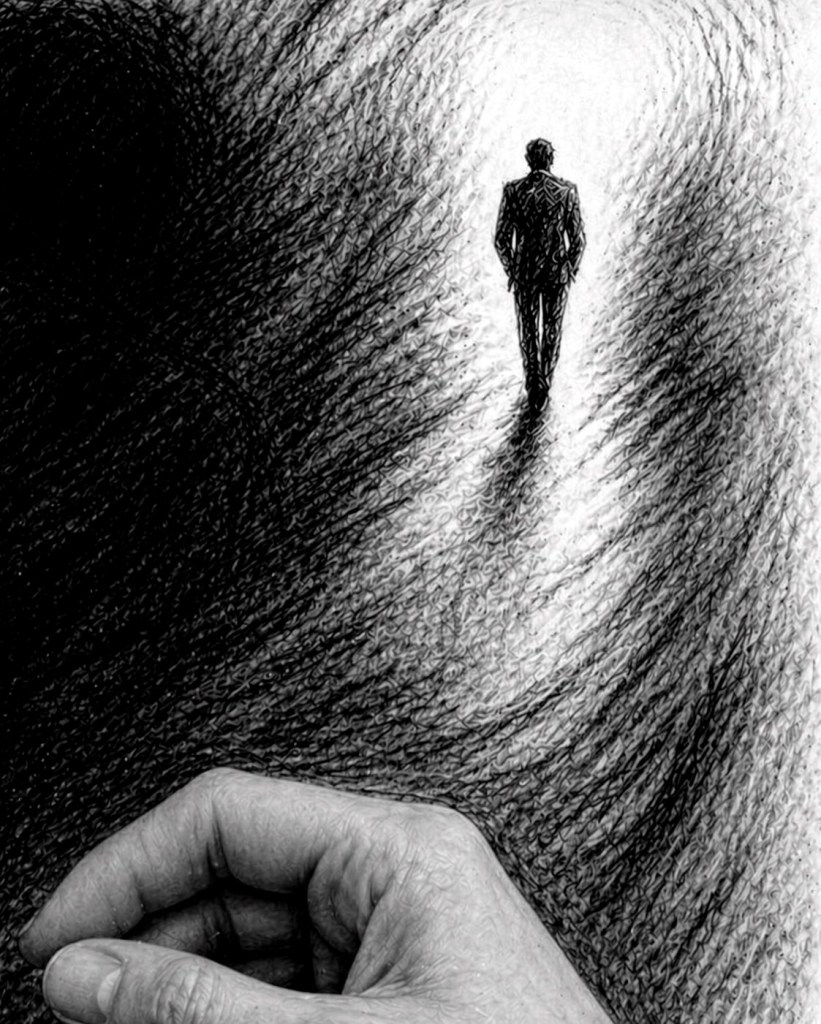
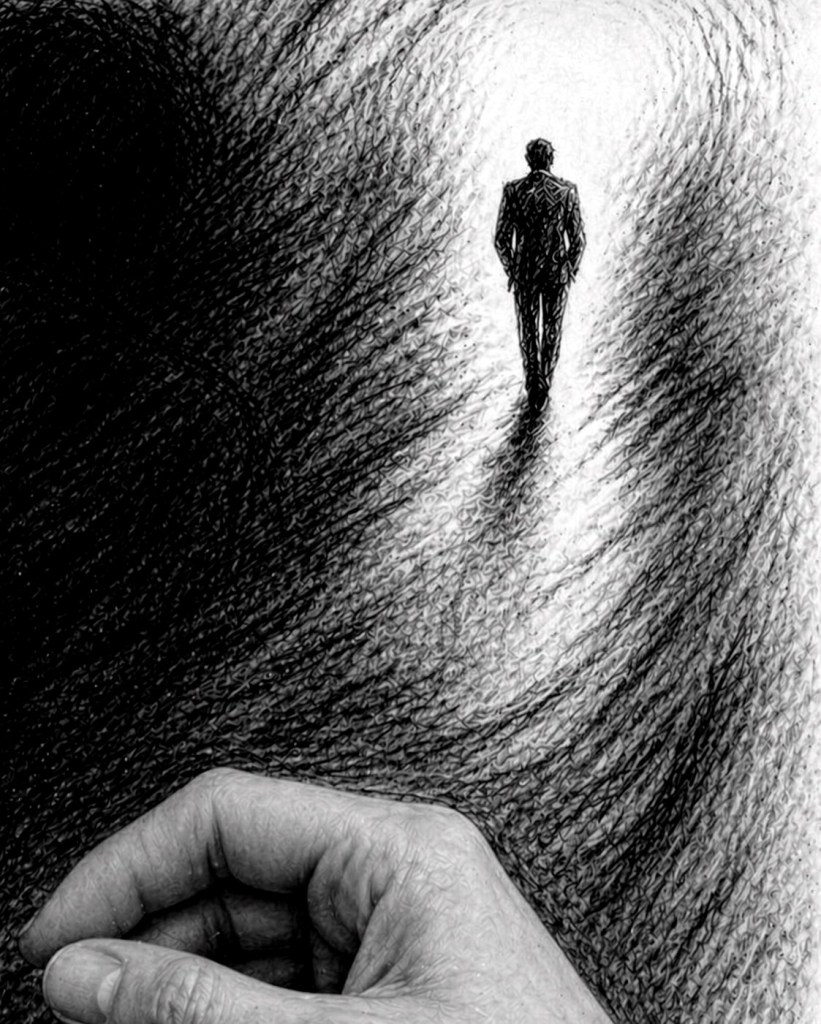
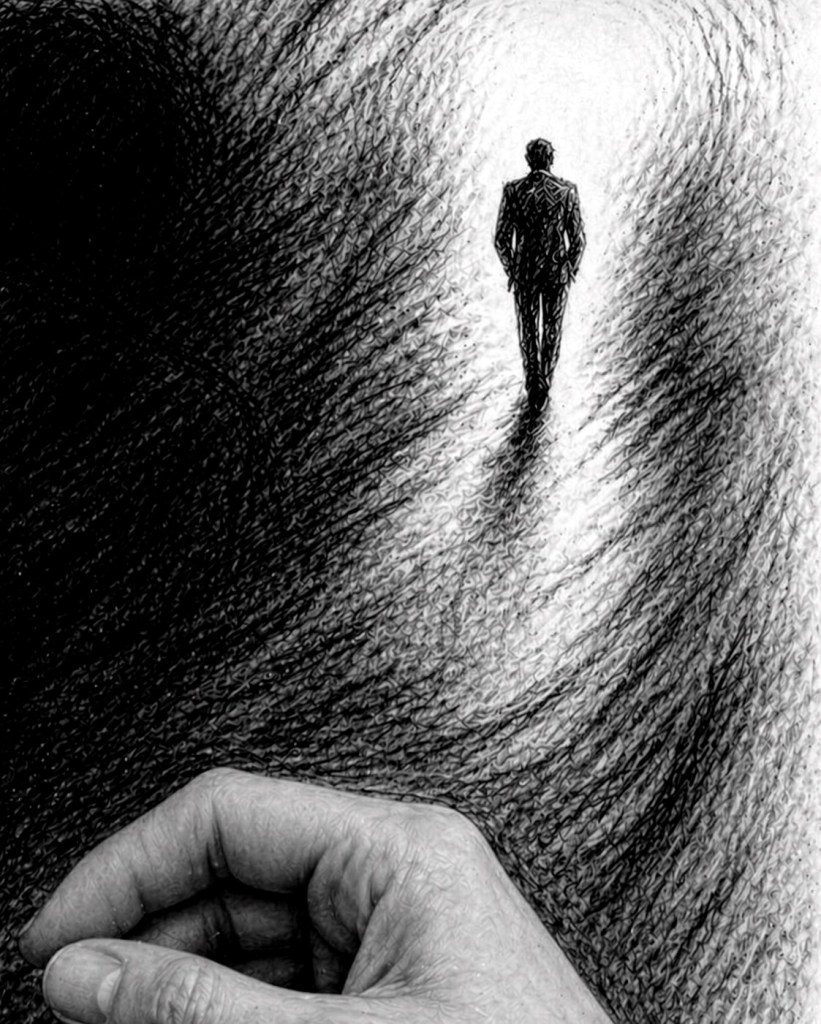
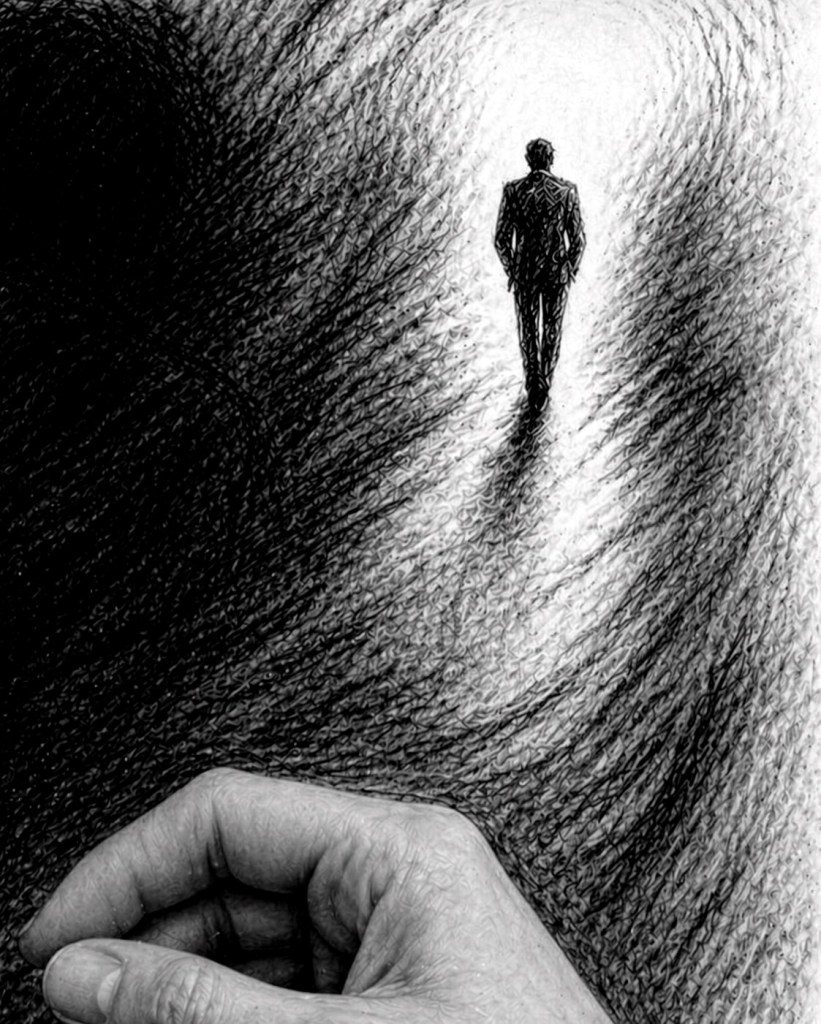
There is a room in me
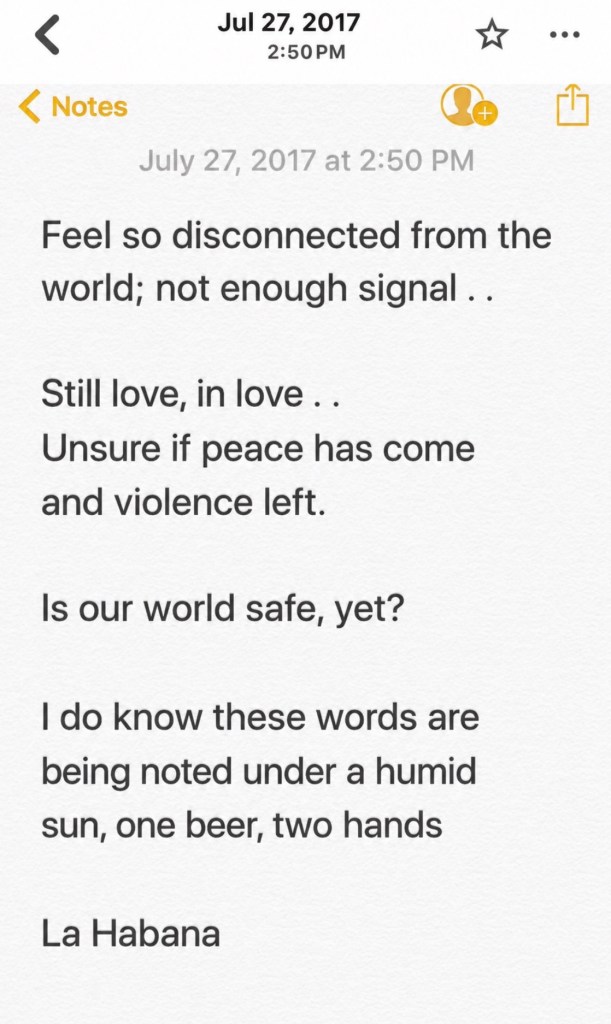
where everything I have ever loved
eventually becomes unbelievable.
I’ve been here before.
I know this room.

My mind cannot reconcile
two realities.
That you were here.
And that now
it feels
like I made
the whole thing up.
There is a room in me
where everything I have ever loved
eventually becomes unbelievable.
I’ve been here before.
I know this room.

My mind cannot reconcile
two realities.
That you were here.
And that now
it feels
like I made
the whole thing up.
For as long as I can remember, my dreams have had architecture.
Not mountains. Not oceans.
Hallways.
Hospital corridors. Hotels. Schools I have never attended. Houses that belong to no one I know. Fluorescent lights. Closed doors. Numbers I cannot quite read.
There is always another room. I am always trying to find it.
Sometimes I know what is behind the door. Most of the time, I do not.
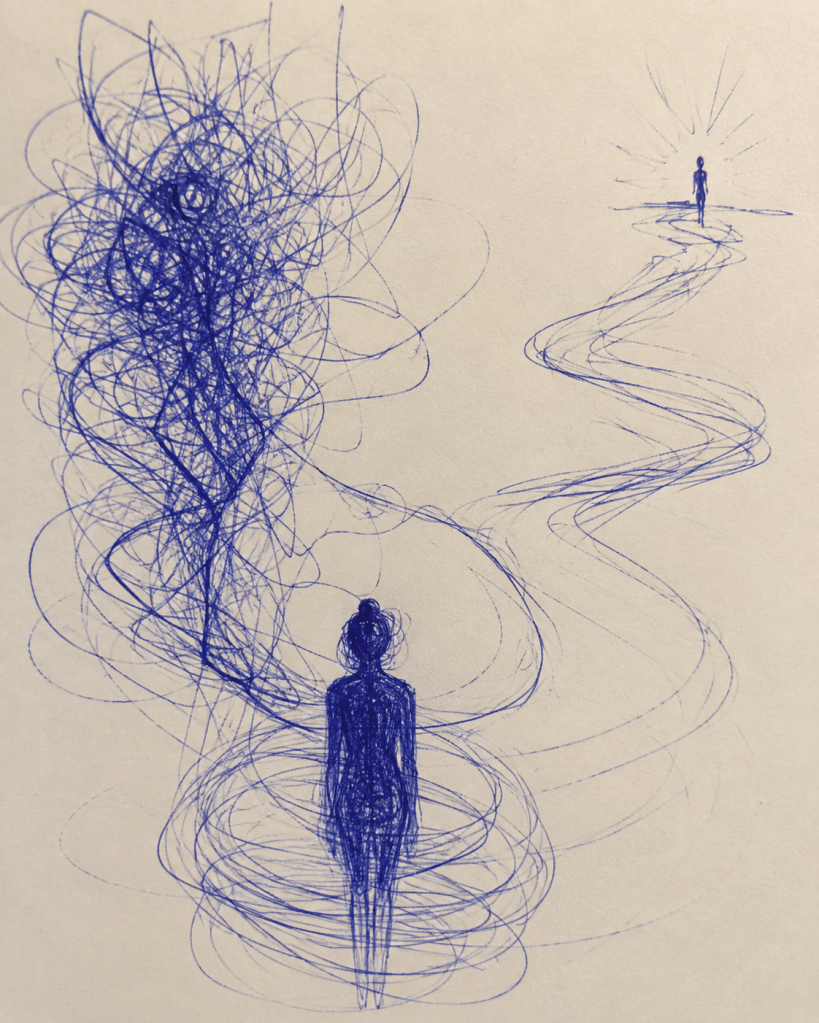
Lately, I have begun to wonder whether I have spent my entire life this way—not in rooms, but between them.
A hallway is not meant to be lived in. It exists only because there is somewhere else to go. No one chooses one as a destination. No one says, this is where I will stay.
And yet, so much of my life has happened there: in waiting, in becoming, in the long, unfinished passage between one version of myself and the next.
A few months after my father died of lung cancer in 2014, I had a dream.
I was inside a hospital. People were moving quickly through the corridors, rushing in and out of rooms, carrying papers, calling to one another. There were doors everywhere.
Someone stopped me and said they had pulled my father out for me. He was in a room down the hall.
Room 214, maybe.
A woman in scrubs caught my arm before I reached it.
They had found a cure, she told me.
Not for every cancer.
For his.
They had brought him back.
Even in the dream, I knew this was impossible. My father had been cremated. I remember thinking it clearly.
He was cremated.
But I followed her anyway.
Hope has never required evidence.
He was lying in a hospital bed, thin and fragile, the oxygen cannula still beneath his nose. He looked exactly as I remembered him near the end.
But he was breathing.
That was all I could see.
He was breathing.
I went to him as if I had been handed a miracle and was afraid it might be taken back if I asked too many questions.
I told him they had found a medicine. I told him it was saving people. I told him he did not have to die anymore.
He looked at me.
Then he reached for my hand.
He had very little strength, but his fingers closed around my wrist with surprising force.
“Let me rest,” he said.
Then he turned onto his side.
Underneath him were the ashes.
All of them.
Ashes beneath the body that was still breathing.
I woke terrified.
For years, I remembered the dream as a message about death. Now I am not sure it was.
Maybe the hallway had been there all along.
There have been many of them since: the corridor outside my father’s room, the hallway outside my sons’ bedrooms when they were still young enough to need me, the airport passage where one of them walked away in uniform and did not look like a child anymore, the narrow stretch of my own house after everyone has gone home, a restaurant after closing—chairs turned over, lights lowered, the day emptied out of it.
Even now, I am often standing somewhere between what was and what comes next.
Not grieving as I once did.
Not free of it either.
Not the woman I was.
Not yet the woman I am becoming.
A hallway.
The cruel thing about hallways is that you can still see the door behind you. Sometimes you can still hear voices through it.
But you cannot live there anymore.
I have spent years trying to return to rooms that no longer exist: the room where my father was alive, the room where my sons were children, the room where I believed love, if it was deep enough, would eventually become honest, the room where I knew who I was.
But memory is not a key.
It opens nothing.
It only lets you stand close enough to remember the shape of the handle.
Maybe that is why my dreams keep building hallways.
Rooms suggest arrival. They suggest certainty. They suggest that something has finally been decided.
Hallways do not lie that way.
They admit that we are between things. They admit that the person who enters is not always the person who comes out. They admit that sometimes there is no revelation on the other side.
Sometimes there is only another corridor.
Another number.
Another door.
I used to think transition meant I was lost. Now I think it may be the most honest place a person can stand—not where she was, not where she is going, but in the long passage between them.
And perhaps that is why my dreams never give me a destination.
I have spent so much of my life becoming someone else that my subconscious no longer bothers building rooms.
It builds another hallway.
I could not hear him.
I stepped away from my friends and pressed the phone closer to my ear.
New Orleans continued around me.
Music through an open doorway.
Rain shining on the street.
Someone laughing nearby.
I asked him to repeat himself.
I still could not hear him.
Later, a message arrived.
Something close to:
I can’t do this with you anymore.
I have forgotten every word he said.
I remember every word I wrote.
I had always been the one who left.
I knew when the air had changed. I knew when affection had begun to turn into something else. I knew how to reach the door before anyone could close it behind me.
But I had known him for decades.
He belonged to the long history of my life, and I had mistaken history for proof.
There had already been reasons to leave.
I knew them.
Still, I stayed.
That was the part I could not forgive.
Not that he ended it.
That I had remained long enough for him to.
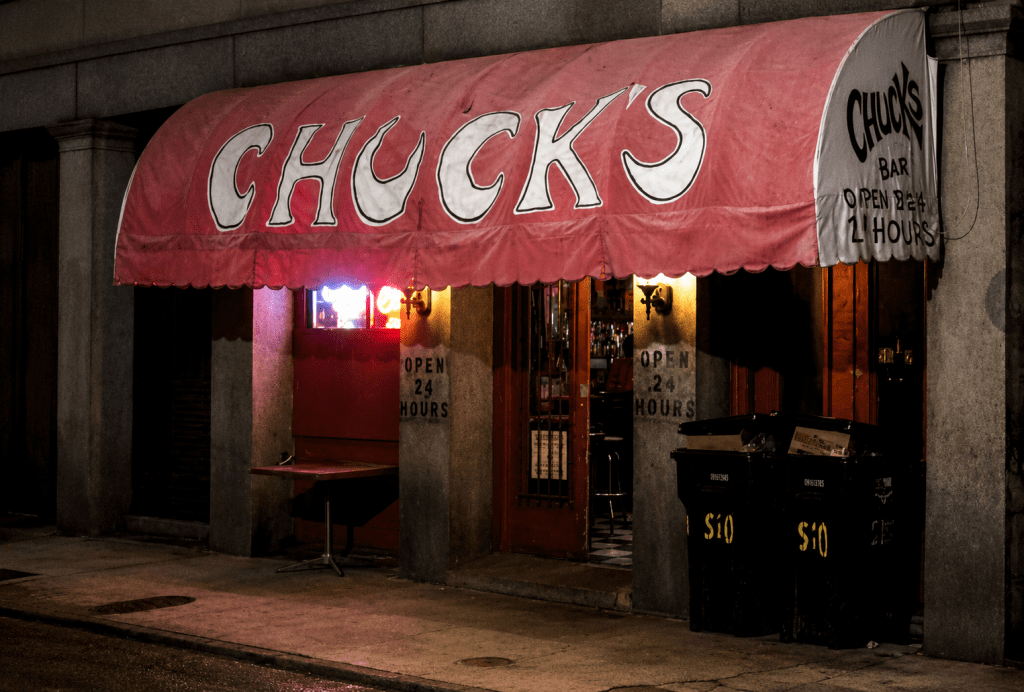
That night, I went to Chuck’s Bar.
I sat outside.
By then, the screen had begun to divide itself in two. I remember closing one eye, trying to make the words stay where I put them.

I long to be something
stronger
than a woman
who once loved you.
September 6, 2015
Four lines.
Nothing about New Orleans. Nothing about the call. Nothing about the message.
Only the wish to become someone else.
For years, I believed the poem was about him.
It was written against the woman who had stayed.
I thought she had failed me. I wanted to become stronger than she was because I did not yet know how to forgive her.
Years passed.
He asked me to forgive him.
I did.
Today, we are friends.
I still see him tenderly.
That would have been impossible to the woman sitting outside Chuck’s Bar, closing one eye against the doubled screen.
She hated him.
God, she hated him.
But time returned him to his proper size.
When I read those four lines now, I no longer hear a woman asking to become stronger.
I hear a woman leaving herself a way back.
I have forgotten every word he said.
I remember every word I wrote.
I want to kiss you
because silence
has become too crowded
inside me.
Maybe
if I reached
your mouth
I could finally learn
the grammar
of everything
you refuse
to say.


The first light.
A cool sheet.
A long stretch
that no one sees.
I never open my eyes
right away.
The light reaches my face
and I let it.
I don’t know
when this became
a ritual.
My hands move
over my neck
my shoulders
not to admire
what is there
but to arrive.
It feels almost
like when you give yourself
to someone.
Only there is no one.
Just morning.
Just light.
Just my body
believing, again
that light
has never lied to me.
People ask me about technique.
I disappoint them.
I have never sat down
to write a poem
thinking about meter
or form
or whether the line
should break here
instead of there.
That does not mean
those things do not matter.
It means they were never
my point of entry.
I don’t write
because I understand
what I’m feeling.
I write
because I don’t.
I don’t know where a poem begins.
I only know
that sometimes
I write a sentence
and spend years
becoming the person
who can understand it.
Maybe that is where the poem begins.
Not in clarity.
In the private disorder
language has not yet learned
how to hold.
The poem arrives before the explanation.
Before the lesson.
Before the clean version
people prefer
after pain has been made useful.
I do not trust that version.
I trust the fragment.
The unfinished sentence.
The line that breaks
because something in me
cannot continue
without silence.
That is technique too.
Not the kind I studied.
The kind the body invents
when the mind
has no argument left.
The poem knows before I do.
It knows where I am hiding.
It knows what I am circling.
It knows the truth
before I can survive
saying it plainly.
That is why I write this way.
Not to confess.
Confession suggests
I have arrived somewhere
with evidence in my hands.
Most of the time
I have not arrived.
Most of the time
I am still standing
inside the question.
And the poem—
if it is honest—
does not answer it.
It simply stays there
with me
long enough
for something true
to recognize itself.
I keep looking out the window
because for once
the world is beneath me.
Not in a cruel way.
Just enough
to remind me
I am still above
something.

I have nothing to say.
Which is strange,
because my mind
rarely gives me silence.
I’ve been away.
I’ve been thinking.
And whatever happened to me
is still happening.
Maybe that’s why
I keep reaching
for words
that aren’t ready
to belong to me yet.

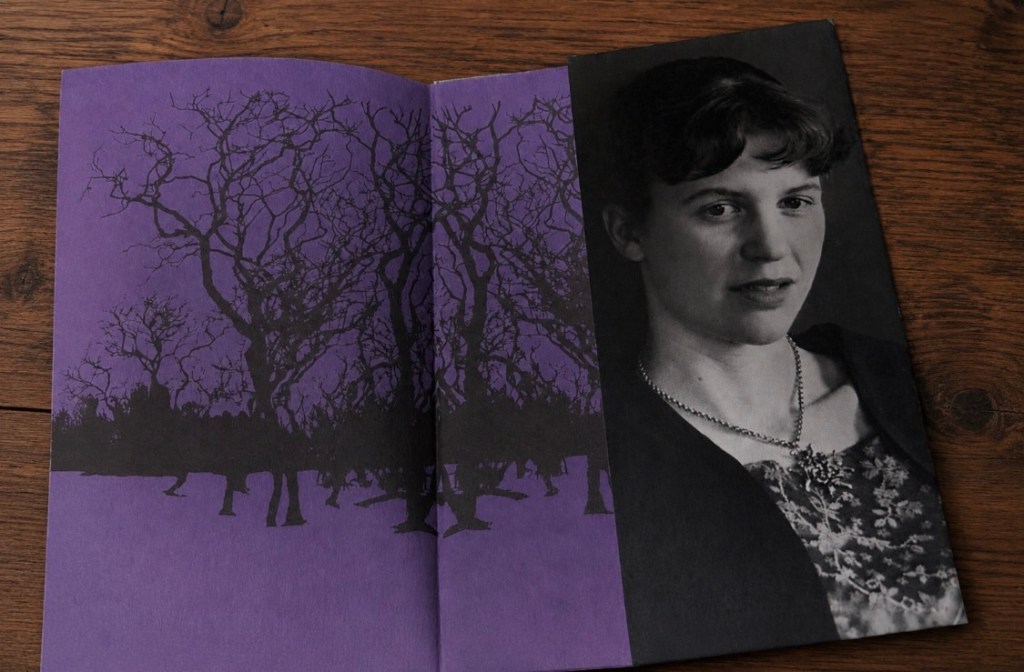
People ask me why Sylvia Plath.
The answer has never been the same.
I didn’t discover her all at once. I found her in pieces, in used bookstores on the East Coast when I was in my twenties and still believed a book could explain me back to myself.
The poems.
The novel.
The journals.
The letters.
I have lived with Sylvia Plath on my shelves for decades.
What fascinates me now is that I have never read the same Sylvia Plath twice.
The woman who first opened those books in her twenties is gone. So is the woman who returned to them in her thirties, and again in her forties.
The books never moved.
I did.
That is the strange thing about certain writers. They stay exactly where you left them, waiting for you to become another woman.
People often assume I loved Plath because of the darkness.
I didn’t.
I loved her because she refused to pretend the darkness wasn’t there.
There is a difference.
Here was a woman who seemed to do everything right.
She married.
She had children.
She wrote.
She built the life women were expected to want.
And still.
There was an inner life that refused to be resolved.
That was the part I never got over.
The way a woman can do all the right things and still remain suspended within herself.
Maybe that is why I understood her before I knew how to explain myself.
I have not opened one of her books in years.
Not because I stopped loving her.
Because I survived many things with Sylvia Plath.
And surviving is not the same as staying.
I think that is what literature does if you live long enough.
It does not change.
You do.
And every time you return to it, it hands you a different version of yourself.
The greatest gift Sylvia Plath gave me was never only her words.
It was knowing someone had reached those dark, suspended places before me and left language there.
So when I arrived, I did not feel entirely alone.
Thirty years later, her books are still on my shelf.
I don’t think I’ve been keeping them.
I think they’ve been keeping parts of me.
My mother says I cannot speak like a normal person. She says every conversation with me turns into a metaphor with no parking.
“Talk to me like a human being,” she says. “I don’t need a poem. I asked you a question.”
And I laugh, because she is right.
Then I tell her, “Well, I’m not human. So why would I speak to you like one?”
This, of course, does not help.
She looks at me like I have personally insulted common sense.
“Enough.”
“Speak normally.”
But somewhere along the way, my thoughts stopped walking in straight lines. They started taking the scenic route, turning left where everyone else would have simply answered.
And please understand—
this is incredibly amusing to me.
Because my mother is not a woman without language. No. My mother has language. She can say one sentence and make it sound like a door being thrown open during a storm.
So when she tells me not to speak in poetry, do you understand how funny that is?
This woman, who can slice the air with one sentence, wants me to hand her plain bread.
I own the entire collection of Sylvia Plath.

Every book.
Every page.
Every bruise.
I have not opened a single one in over a decade. Not because I stopped admiring her. I didn’t.
It is just that somewhere along the way, those books became less about Sylvia Plath and more about my mother.
Once, while we were rearranging books, I left my Sylvia Plath collection on the coffee table. My mother and I both own a ridiculous number of books, but I do not write in mine. I do not underline. I leave the pages alone.
So when I came back and saw ink on Sylvia Plath, I almost left my body.
My mother had underlined things.
Not gently.
Not in pencil.
Ink.
On the page.
In my book.
As if Sylvia Plath had not already suffered enough.
Then she looked at me and asked, “Does this make any sense to you?”
And I said, “Well, you have to look at her from where she was standing.”
My mother shook her head.
“This is the most heartbreaking thing. There is no joy in these books.”
And I was upset.
Obviously.
Because again,
actual ink.
But I also laughed, because somehow my mother had managed to vandalize Sylvia Plath and prove my entire point at the same time.
Ever since that day, I have quoted Sylvia Plath to my mother every chance I get. Not because I’m feeling particularly Plath-like. Not always.
Sometimes I do it simply because she underlined my books.
This is what you get.
You touch my Sylvia Plath, and now you have to live with Sylvia Plath.
Forever.
Every now and then, she’ll ask, “What are you doing today? What plans do you have?”
And instead of saying work, errands, laundry, coffee, like a normal daughter, I’ll answer,
“I desire the things which will destroy me in the end”
She closes her eyes.
And I smile, because she knows.
This has nothing to do with today.
This is an old debt.
The punishment for underlining my books.
And I have every intention of collecting it for the rest of her life.
My mother has no patience for Sylvia Plath.
To me, she is a poet.
To my mother, she is a weather warning. A pressure drop. A room losing air. An anxiety rash waiting to happen.
The kind of poet who makes my mother’s soul reach for antihistamines.
Too much ache.
Too much bell jar.
Too much woman
making pain
answer back.
So when my mother tells me not to speak in metaphors, I try.
I really do.
But I don’t know where normal ends and language begins.
I have never been fluent
in ordinary.
My mind
has always preferred
the long way home.
I think life does this—
takes everything loud
everything unnecessary everything we swore
we could not live without
and boils us down.
Not gently.
Not kindly.
But honestly.
Until what remains
is small enough
to hold in one hand
and strong enough
to survive
being held.
I know I am a bit much.
I have accepted this
with less resistance
than I used to.
I feel everything.
I notice everything.
I love with an intensity
that leaves me depleted.
But if I were not me
who would I be?
I have searched my whole life
for a smaller version of myself.
She does not exist.
Maybe that is all I am now—
not less
just distilled.
If I was reciting this
in your ear
would you know
it was me—
not by my voice
but by the silence
between the words?
Close your eyes.
Forget my name.
Forget my face.
If all you had
was breath
would you know
where I break
the places
I hesitate—
the ones
I never learned
to hide?
You have read me
in the dark
in rooms
I have never entered
on mornings
when the coffee
went cold
or nights
when something stronger
sat untouched
because some sentence
held you there
longer than you meant
to stay.
You have carried
pieces of me
through hours
I never witnessed.
So tell me—
if I leaned close enough
that these words
were no longer read
but heard…
would you know
it was me?
Or have I only been
a voice
until now?

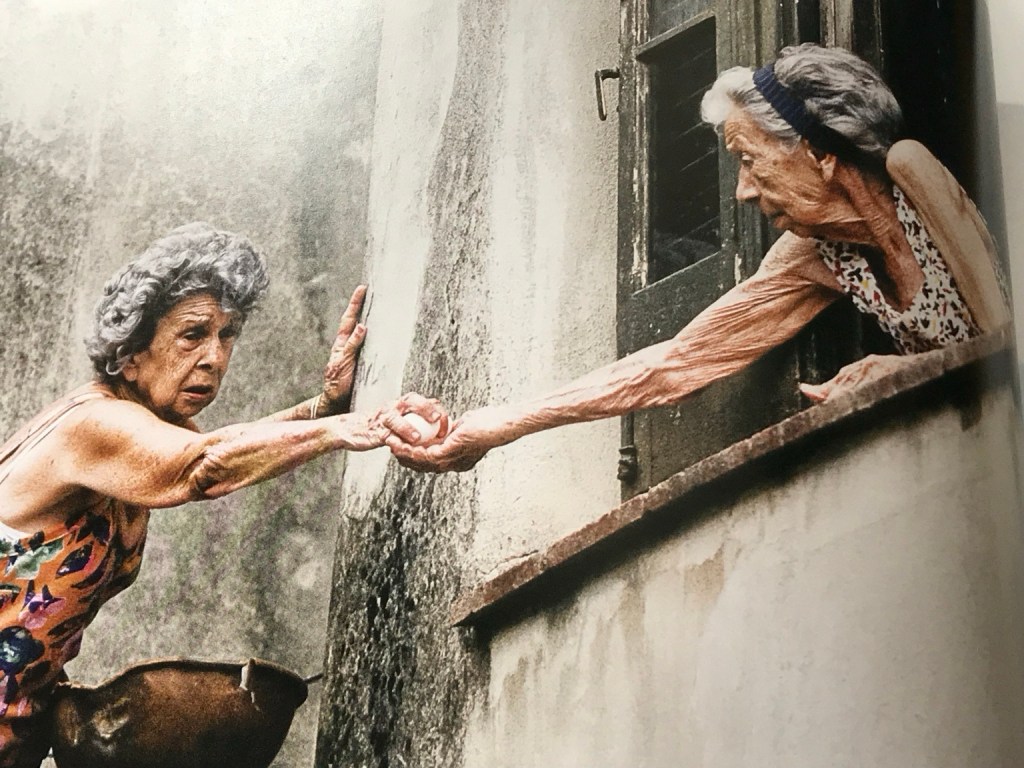
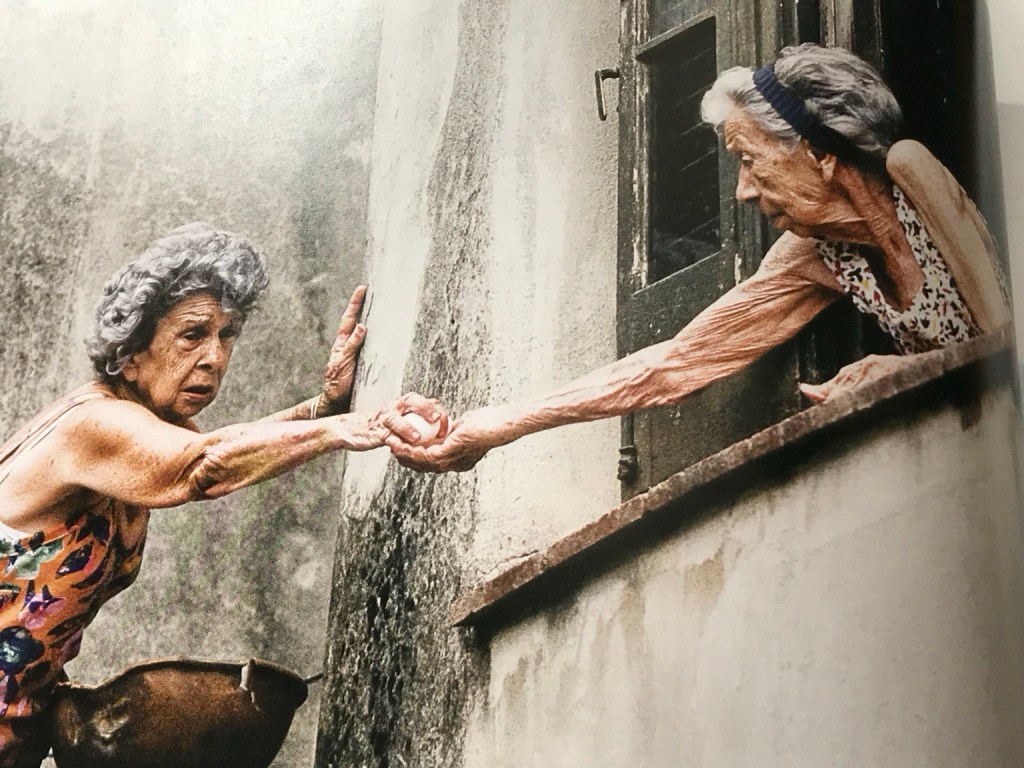
I look at this
and I don’t think
how beautiful.
I wonder
how much
the woman
who handed over the egg
had left
for herself.
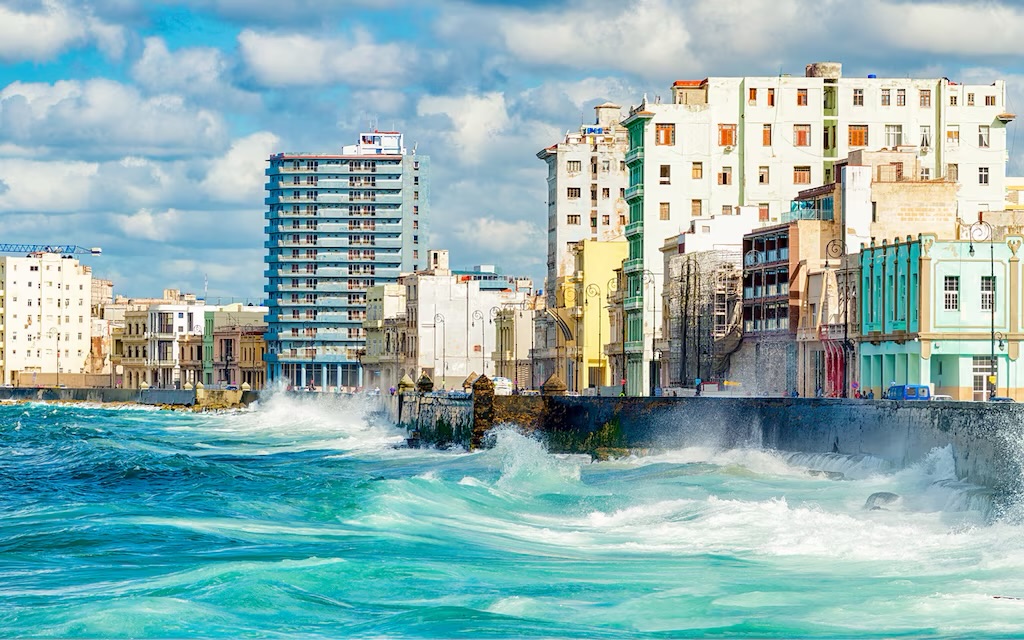
Because in Cuba
even generosity
has a cost.
An egg
passed between two windows
is never
just an egg.
It is one woman
looking at another
and quietly deciding,
I’ll have one less today.
And still
my country
lives this way
loving
in the dark.

If we ever have coffee I’ll drink mine black.
No sugar.
Not because I’m trying to prove anything.
I’ve simply had enough bitter things in my life to know the difference between bitter and strong.
A good Cuban coffee is misunderstood.
Most people make it in an espresso machine now. It’s smoother that way.
Pressure has a way of polishing the edges.
I grew up with stovetop coffee.
Thicker.
Darker.
The kind that lingers in the cup and in the morning.
Neither is wrong.
Just different.
I suppose people are like that too.
Some arrive polished.
Some arrive carrying more body, more history, more weather.
I’ve learned not to mistake one for the other. But we’re not really here to talk about coffee.
Coffee is only the excuse.
A warm cup between two people trying quietly, to become less strange.
Before we get too far, I’ll silence my phone. It won’t touch the table again.
If I’m having coffee with you, I’m having coffee with you.
That matters to me.
I won’t rush you.
I like coffee that takes its time, and people who do the same.
You’ll probably notice I don’t sit completely still.
It’s not anxiety.
I just move.
My father was the same. My sister too. Apparently, stillness skipped this family.
I’m trying not to cross my legs. My right peroneal nerve has decided that’s no longer an option. Crossing my legs doesn’t quiet my mind. It quiets my body.
Just enough that I can pay attention to yours.
That’s coffee with me.
I may move.
I may laugh.
I may say something ridiculous before I say something true.
But I am listening.
I’ll ask how you take your coffee, not because I care that much about coffee but because I want to know how you became you.
I like people.
Not crowds.
People.
One at a time.
Across a table.
I don’t need us to agree.
I don’t need us to have lived the same life.
I just need to leave the table feeling like we actually met.
Not our jobs.
Not our titles.
Not the polished versions we’ve learned to introduce.
Just…
us.
I don’t collect acquaintances.
I collect conversations
I keep thinking about years later. Something happens when people talk. A sentence opens like a small door.
You’ll say something ordinary, and suddenly I can see it.
The kitchen.
The street.
The old car.
The room where something changed.
I don’t just listen to what you say.
I notice how you arrive inside your own sentences.
The pause.
The small laugh before something serious.
The way your eyes move when a memory gets too close.
I don’t know how to explain it.
I just start seeing you.
Not the version that knows how to sit in public.
The one underneath.
The one who slips out for half a second and hopes no one saw.
I usually do.
Maybe that’s why I remember people.
Not because I remember everything. Because I remember where their words took me.
I don’t listen to respond.
I listen because people are always leaving clues.
I don’t remember the watch. The shoes. I remember the sentence.
The one they said without thinking.
The one that explained everything.
And usually when they think no one noticed, I did.
I don’t always say it right away. Sometimes I just sit there holding my coffee, grateful that for a moment someone trusted the room enough to become real.
I wasn’t planning on writing tonight.
But I have learned not to trust that sentence.
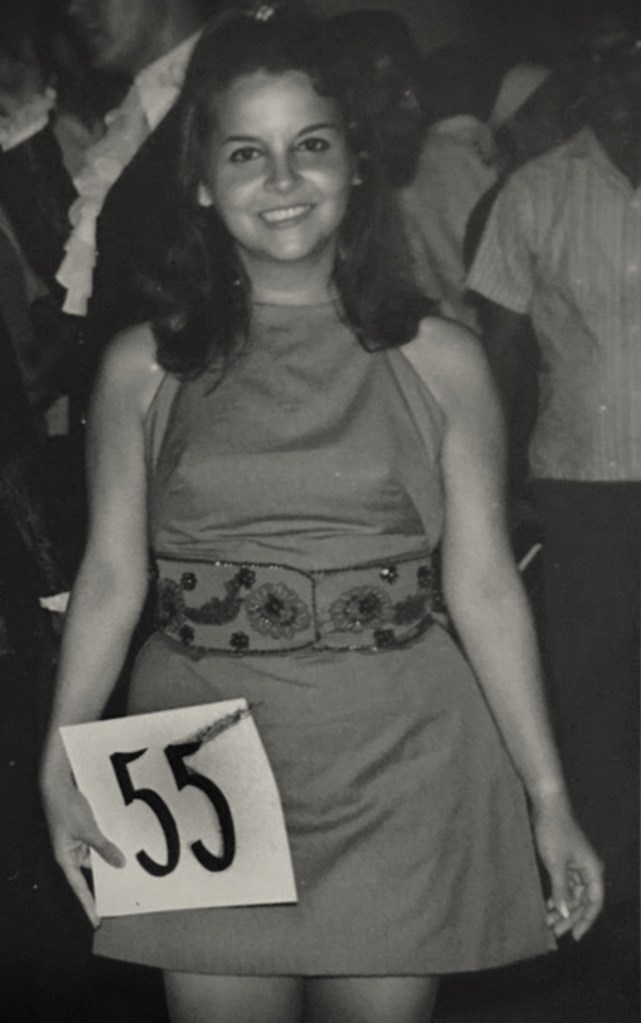
In 2011, I gave my thoughts a room and called it a blog.
God.
That feels strange to say out loud.
Back then, metaphor found me when my mind was losing its grip. I decorated grief. Not because I was brave. Because I didn’t know what else to do with it. I made it beautiful so I could survive looking at it.
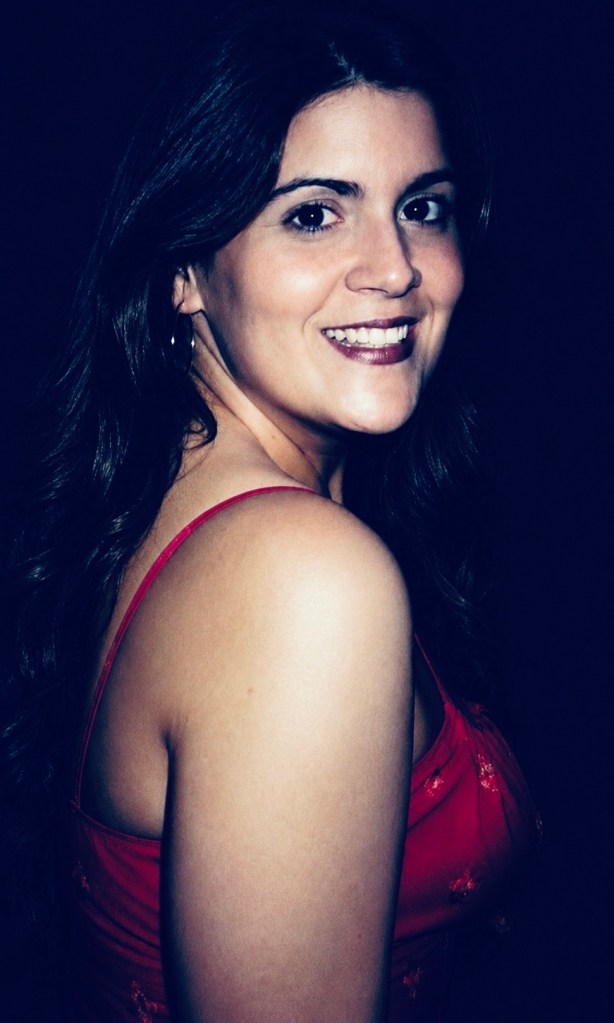
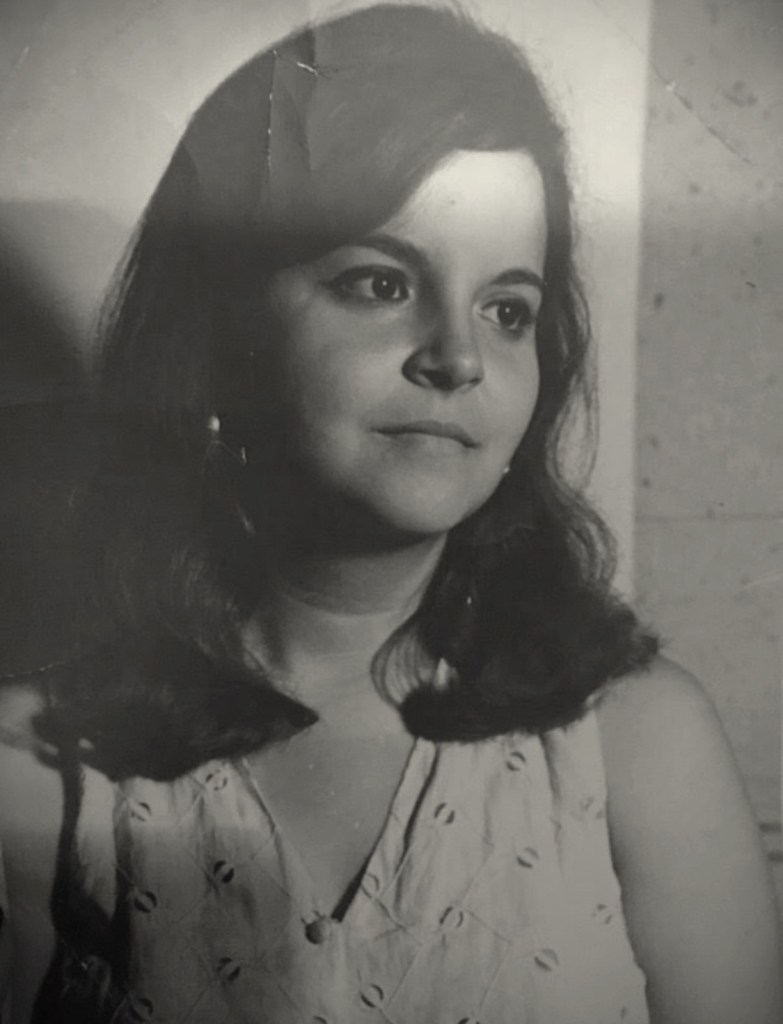
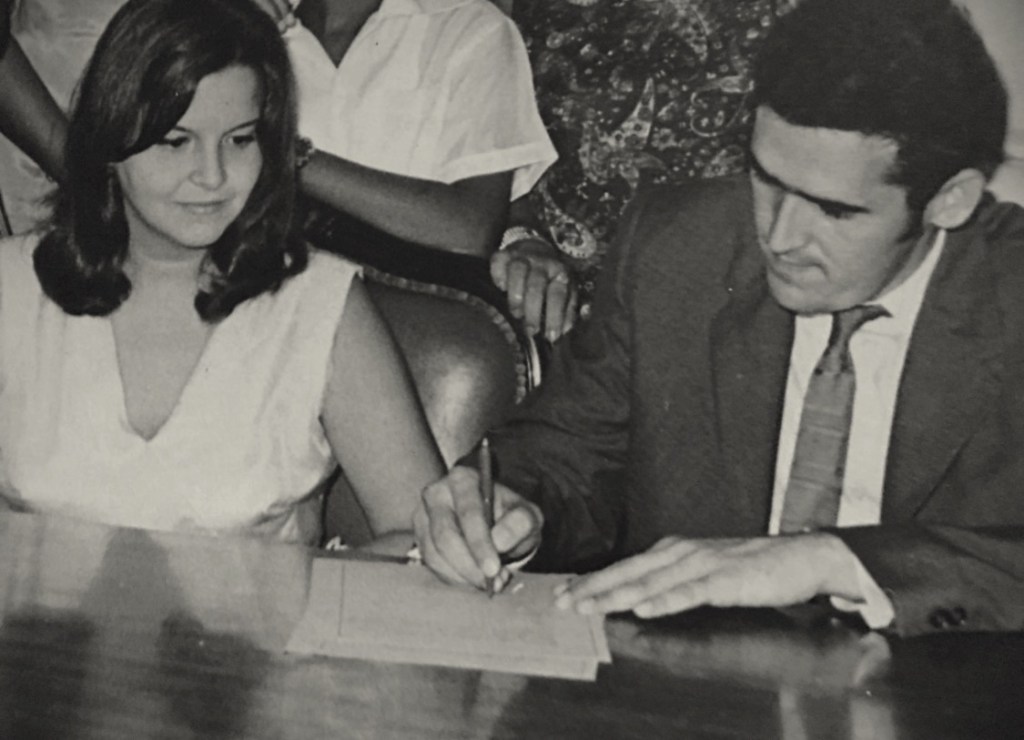
There were times I felt like I had imagined my entire existence. Not metaphorically. Literally. Like my life had become something I dreamed and forgot waking up.
So I went looking for myself.
Photographs. Drawers. Memories.
Anything that could prove I was here.
This happened.
I happened.
Then my father died and something happened to language. Not all at once. More like a room growing quiet until one day you realize the conversation is gone.
So I retired this blog as if it had never existed. As if words could be cremated too.
Years passed.
Life happened.
The kind of life that sounds impossible when you place it all inside one sentence.
And now here I am posting so much it is almost comical. Rapid-fire confessions from a woman who keeps insisting she wasn’t going to write today.
The truth is, I don’t like to say I’m a writer. Because I’m not.
I am just a woman trying to understand why an ordinary thing can suddenly split open and reveal an entire lifetime.
Because I don’t really write about what I’m writing about.
The thing is never the thing.
A refrigerator is not a refrigerator. A sunset is not a sunset. A silence is never just silence.
Everything opens. Everything has a second mouth.
And some feelings arrive so hungry they refuse to leave until they are fed.
So I leave them here. Not because they are beautiful. Not because they are finished. Because I am tired of being the only place they exist.
And maybe that is all this blog ever was.
Not a stage.
Not proof.
A room.
A small room inside the noise.
Somewhere my thoughts could sit down before I had to become a person again.
That girl
too Cuban to understand
that the room was poor.
Memory does not return whole.
It comes back
as floor
as heat
as an old television
as a dress on the body
as shoes on the feet.
My grandmother
and my aunts
dressed all of us.
They took fabric
that had already lived
bent over it
measured it
cut it
and somehow
made girls
out of remnants.
A hem.
A ribbon.
A sleeve.
The quiet proof
of being cared for.

And somewhere
between the port
my father’s hands
and whatever the sea
allowed to arrive
the best pair of shoes
I ever had
landed in his hands
then landed
on my feet.
Suede.
Not new.
They had belonged
to another child first
had crossed
another floor
another room
another life.
And still
they came to me.
No box.
No paper.
No explanation.
Only my father
bringing home
a softness
the world had already touched
and placing it
beneath me.
Imagine that
a country
with stones in the rice
and my feet
in suede.
A house
with very little
and me
standing there
adorned.
That girl
did not know
she was poor.
She knew cloth
could become a dress.
She knew shoes
did not have to be new
to arrive like mercy.
She knew a father
could bring tenderness home
without calling it love.

And there she was
small knees
white dress
secondhand suede
too young
to understand scarcity
old enough
to feel blessing
when it touched
her feet.
My memory is fragmented.
But maybe fragments
are the truest things I have
the dress
the shoes
the floor
the hands
the pieces
that survived me.
There is always
a little something
on my hands

Watercolor.
Coffee.
Flour.
Ink from receipts.
The day’s small bruises
pretending to be color.
I left home
without enough time
to wash myself clean.
And no one here
questions it anymore.
They see it now
as part of my wardrobe
the stained hands
the tired jeans
the woman walking in
with a whole life
still drying on her skin
This is the real job.
Not the dream of it.
Not the pretty version.
Not the poem waiting somewhere
with clean hands
and better light.
The restaurant is paper.
Payroll.
Bills.
Repairs.
Food cost.
Heat.
Voices.
Doors opening.
Someone hungry.
Someone late.
Someone always
needing something.
And still
my hand opens.
Still
there is color.
Proof
that I came here.
Proof
that I did not vanish
inside the ache.
Proof
that even when love
shakes me loose
from myself
even when anxiety
climbs my legs
like electricity
I return
to the life
that has my name on it.
My real work.
My real struggle.
My little something.
These hands
stained and tired
still making.
Trying to grasp their maturity
is thrilling
in a way I still cannot understand
No one tells you this
They tell you about the leaving
the empty rooms
the quiet house
the laundry becoming smaller
the food lasting longer
than it should
But no one tells you
what happens after
How your world
reconditions itself
How one day
you speak to your son
and hear a man answer back
How his voice
carries the weight
of his brother’s voice too
and for a second
you are standing
inside both of them
These men
have surpassed my height
They are broad now
Deep-voiced now
Private now
Their lives moving
with a force
that no longer needs
my hands
And still
they began in me
That is the part
that makes me almost dizzy
They were once
a flutter
a hunger
a foot beneath my ribs
a name I had not yet learned
how to call across a room
Now they stand in the world
as if gravity
belongs to them
And I stand here
trying to understand
how something can leave you
and still make you larger
How love can grow taller
than the body
that carried it
How a mother
can be emptied
and expanded
at the same time
No one tells you
that after they leave
you do not become less
of a mother
You become a mother
with more sky in her
This morning
I watered the plants
matched the last two socks
and found a bird
building a nest
inside an old Christmas tree
My youngest son
said he would put it away
before he left
That was January
It is June now
Three little birds
are waiting to be fed
and somewhere
my own child
is learning
how to live
without me
The coffee got cold
The laundry
is still in the dryer
The birds
do not know
they have built their home
inside a holiday
I do not know
when my son
will come home again.
It occurs to me
that perhaps
this was all
a simple life
ever meant to be—
loving something enough
to let it leave
and leaving enough behind
for something else
to call it home
The dryer has gone off three times.
Possibly four.
At this point the clothes and I are participating in the same cycle.
They cool off.
I remember them.
I turn the dryer back on.
We begin again.
Do you ever get so tired that the idea of going to bed feels completely unreasonable?
Not because you’re busy.
Not because you’re doing anything important.
You simply cannot fathom peeling yourself off the sofa.
The strange thing is that since my sons moved out, I have matched every single sock.
Every one.
For years, socks disappeared with such consistency that I assumed there was some sort of portal inside the dryer.
Now?
Nothing.
Perfect numerical accountability.
Every sock returns home.
Which leads me to conclude that the disappearance of children from a house can, in fact, be measured in missing socks.
I don’t know where they went.
The children, thankfully, I know.
The socks remain a mystery.
Anyway.
The laundry is still in the dryer.
I am still on the sofa.

And if you’re reading this instead of doing whatever you’re supposed to be doing
welcome.
You’re among friends.
My mother and I share the same blood.

B Rh-negative.
The same rare inheritance.
The same river moving through us.
The same red history traveling from one body into another.
She carried me beneath her heart for nine months.
An entire season of becoming.
Blood teaching blood how to assemble itself.
Bone finding bone.
A spine.
A mouth.
Ten fingers opening toward a life neither of us had seen.
She made my body.
This is no small thing.
The original shelter.
The dark and sacred room where I began.
But the older I become the more I understand that being born from someone does not guarantee being understood by them.
The womb creates a body.
It does not necessarily create recognition.

My mother and I share the same blood.
B Rh-negative.
The same rare inheritance.
And still, we spent years trying to find a language large enough to hold us both.
My mother spoke.
God, how she spoke.
Stories.
Worries.
Grievances.
Disappointments.
The thousand daily abrasions of being alive.
She sat me down and handed me pieces of adulthood long before I was large enough to carry them.
And because I loved her
I did.
I listened.
I absorbed.
I learned the weather patterns of another person’s sorrow before I had learned my own.
I became her witness.
Her companion.
Her sounding board.
The child at the other end of conversations meant for grown women.
Perhaps that is why language became my native country.
Why I reach for words the way other people reach for prayer.
Why I cannot leave a question unanswered.
A feeling unnamed.
A loose thread hanging from the hem of a perfectly good life.
I learned early that everything must be examined.
Everything discussed.
Everything understood.
And I am tired.
Not of my mother.
Never of my mother.
I love her.
Love has never been the problem.
The problem is that love and understanding are often mistaken for twins when they are merely neighbors.
So we spent years waving to one another across a distance neither of us knew how to cross.
Then there was my father.

A man who seemed perpetually occupied by some private cosmic adventure.
A man of so few words that silence gathered around him like a second skin.
Yet I could sit beside him for an entire afternoon and feel more understood than I did in conversations that lasted years.
He never asked me to carry his grief.
Never handed me the weight of his interior life.
He simply made room for mine.
And when he died everyone assumed I was grieving a father.
What I was grieving was recognition.
The rare miracle of being witnessed without explanation.
Without performance.
Without the exhausting labor of translating myself into a language someone else might finally understand.
Perhaps that is why unfinished things haunt me.
Why I pull every thread.
Why I interrogate every silence.
Why I stand before mysteries demanding they surrender their meaning.
I spent my childhood holding one end of conversations that never seemed to end.
Of course I grew into a woman who wants answers.
Of course I became someone who believes every story deserves a conclusion.
But lately
I am beginning to suspect
that not everything unfinished
is broken.
That not every silence is withholding something.
That some people love us through language.
And others through presence.
That understanding sometimes arrives speaking.
And sometimes arrives and simply sits beside you.
The same blood does not guarantee recognition.
The same house does not guarantee understanding.
And yet—
love persists.
My mother and I
still waving across the distance.
My father gone and somehow still answering me.
The child I was
standing between them
learning two different dialects of devotion.
One made of words.
One made of silence.
And all these years later
I am still trying to become fluent in both.
I am grieving the absence of language
Not because I enjoy words
Not because I write poems
Because language is the organ through which I experience existence
Remove it, and I bleed internally
I have spent my life translating pain into something survivable
How I buried the dead
How I loved the living
How I crossed impossible distances
without moving an inch
When my father died
language sat beside me
When loneliness hollowed out entire rooms, language remained
When I could not carry the weight of my own life, language carried part of it for me
I have always made homes from words
Built shelters from sentences
Lit lanterns against darkness with nothing more than a line of poetry
Even now
Standing in the aftermath of my own confession
I reach instinctively toward words
The way a drowning creature reaches toward air
Because language is not the record of my life
Language is my life
And lately
For the first time I can remember
I have been unable to find a single sentence
large enough to hold what is happening to me
That frightens me more than the thing itself

Cuba is like love
Beautiful enough
to ruin people

An island of salt and longing
where everything beautiful
learns to survive
beside absence
You carry it long after leaving

Cuba is like love
because it survives on contradiction
You stand before the sea
thinking something so beautiful
should have saved everyone

And yet beauty has never been protection
Still
people return to it in their minds forever
Like first loves
Like impossible loves
Like homes that continue living inside the body
long after the body has gone elsewhere

My youngest wrote me a letter
Forty-five days ago
and I cannot stop thinking about the fact
that his love had already been traveling toward me
while I was still living ordinary life unaware of it
Forty-five days
Forty-five mornings I woke up not knowing
a piece of him already existed in the world
trying to find its way back to me
Do you understand how devastating that is?
That while I was awake or asleep
his handwriting was somewhere moving through darkness
sealed inside trucks
resting in forgotten bins
crossing highways at night
all because my son sat down one day
and missed me enough
to let his hand speak
And suddenly modern life feels so empty to me
These instant little messages we fire at each other all day
without breath in them
without weight
without silence
But a letter
a letter suffers distance
It earns arrival
For forty-five days
the page carried his touch without mine
The same hand I once held crossing parking lots
The same hand that learned how to write its own name
while I stood nearby believing time moved slowly
God
I did not just read his words
I felt time itself collapse
And there he was again somehow
inside the pressure of certain letters
Forty-five days old already
By the time I touched the page
he had already changed a little
Laughed at things I did not hear
Walked through evenings I did not see
Carried worries silently without me beside him
That is motherhood perhaps . .
the lifelong ache
of realizing your children continue becoming people
in rooms you cannot enter
Still
when I saw the word “Mom” written there
in the same familiar slant he has carried since boyhood
something inside me broke open so quietly
I almost mistook it for peace
Because after all the years
all the growing
all the distance
all the necessary separations life demands from us
some part of him
still writes home
like I am the safest thing he has ever known
Too late to ruin a life completely.
And maybe that is why the body refuses to forget it.
Not the person exactly.
The atmosphere of them. The warmth left behind in certain rooms. The way silence changed when they entered it. The unbearable intimacy of standing too close while pretending not to notice.
And even now, years or hours or lifetimes later something remains.
Like the ghost of ambergris
still clinging faintly to a collar or the wrist of someone passing too near—warm and mineral and devastatingly human.
The kind of scent that makes the body remember before the mind has time to defend itself.
Too late to ruin a life completely.
Yet somehow still capable of altering the pulse.
Because some connections never become ordinary enough to lose their sensuality.
They remain suspended
living softly beneath the skin—where longing becomes indistinguishable from memory.
And perhaps that is why these loves endure.
Not because they lasted.
Because they never fully touched the ground.
Like desire itself
trying very hard
to remain civilized.
the smile in your children’s faces
that breaks you open
before you can protect yourself
the way morning comes anyway
pulling light across a room
you didn’t think you could get up in
the breath that stays
even when you wish it would stop
even when you are too tired to carry it
the small hand that finds yours in the dark
and believes without question—that you will be there the moment you realize
you have to be
the light on the wall
that doesn’t explain anything
and still feels like mercy
the yes you didn’t plan to say
the one that leaves you trembling
the one that keeps you here
the chair you leave empty
and still return to
as if something might come back
the strength you never asked for
but were given anyway
the quiet that holds you
when you are falling apart
and no one knows
the forgiveness
that comes back
after you swore you were done
the love
you keep giving
even after it breaks you
even after it leaves you
again
and again
the nights
you sit alone
holding everything together
and no one sees
and still
you hold
the way you keep showing up
even when it costs you everything
the way you still care
after learning how much it hurts
the way you make space
for others
when no one made it for you
the moment you whisper
I can’t do this
and do it anyway
the life you are building
even when it feels like nothing is forming
the quiet strength
of not leaving yourself
when everything in you
wants to disappear
God is this
this breaking
this holding
this staying, the part of you that will not give up even when you beg it to
the hope that is not gentle or easy but relentless, the force that keeps your hands open and your heart turning
the reason you are still here, still loving, still choosing, still… after everything, still
you come from a woman from a body that carried you without question, from hands that knew you before you spoke, from a kind of care you never had to ask for

you were held before you understood what holding was, fed before you knew hunger, loved before you knew how to return it
you were soothed when you didn’t understand your own discomfort
you were seen before you knew how to be seen, you were answered before you knew how to ask

and then you grow into a world that teaches you distance teaches you how to move forward, how to leave, how to harden, how to forget what it felt like to be kept
and you come back to us as men standing in front of women as if we are something new, something to figure out, something to reach
but we are not new
we are the same place you once lived inside
so why do you do this
why do you stand so close and still not see us
why do you reach
without knowing what you’re reaching for
why do you touch without understanding what you’re holding
why do you move through us as if we are surface
not all of you
but most of you
and it repeats
the same distance
the same absence
the same quiet disconnect
as if something in you
chose forgetting
over remembering
because you don’t know us
not the way we feel you before you speak
not the way we notice what you don’t say
not the way we hold what passes through you without you ever stopping to see it
we feel your hesitation your distraction, your presence when it’s real
and your absence when it isn’t
we feel when you arrive
and when you don’t
and still
we are expected to remain
as if closeness is something that happens
just because you are near
but it is not
it is as if you forgot completely what it was like to be known without asking, to be cared for without earning it, to be held without having to arrive
and now you move through us as if we are surface—but we are not
we are still that same quiet place, still able to hold, still able to know
still capable of seeing you in ways you don’t yet —see yourself
but no longer willing
to be forgotten
while you stand inside us
you come from us
and still
you don’t remember
how to see us
how to feel us
how to meet us
in the very way
we once held you
I am not unsure
Of what I feel
Only of where to place it
It lingers
Like morning
Through an open window
Resting on me
Softly warming
What I thought
Had settled
But never staying long enough
To belong
You are
Easy as breath
Something I don’t notice
Until you’re gone
And then
Everything feels
Just a little heavier
There is something
Between us
It finds me
Without asking
Pulls me closer
And then returns
To where it must
Leaving behind
The feeling
Of having been near
I don’t name it
I wouldn’t know
What to call something that lives
In the spaces
Between your words
Between your pauses
And what you take back
I feel it
In the way
You look at me
Like you see me
And then
Like you remember
You shouldn’t
I do not reach
Not because
I don’t want to
But because I understand
Some things
Are not meant
To be held
Only Felt
So I stay
In the quiet
You leave behind
In the space
That is never empty
Just unclaimed
And I watch
How you return
Without arriving
How you stay
Without staying
And still
Something in me
Moves toward you
Without moving at all
And somehow
That is enough
Like reflections on water shimmering
Just out of reach
Something I can see
But never gather
Something that exist
As long as I don’t try
To make it mine
And still
I stand here
Letting it touch me
Learning the shape of a feeling
That asks for nothing
And gives everything
Quietly
Without promise
Without future
Without a name
Just this
And me
Standing in it
Until it fades
Like the end of a day
Soft
Certain
And gone

Truth
Without mercy
Has no sound
It lives
With circumstance
In this exactitude
I softly land
And I like it
Adds warmth
To my being
Coldness here
Does not exist
I am free
As you startle
All of my senses

Thoughts
And
Its dispersiveness
Establish
No boundaries
In me
Some, go on paper
Some, sit on high grass
Delighted and pure
Some, say your name
Thirsty and untuned
Some, become satisfied
As nude to touch
Some, survive in a sphincter
Regulated and relaxed
Some, become butterflies
Hoping to awake like someone else
Some, stand in old age
Identical to yesterdays
Some, close their eyes
As briefness outlines their fate
Some, become trees
Scattered in time
Some, multiply when it rains
Measuring drops as faith
Some, exist in you
More secretly and afraid
Some, in darkness
Half lit decades
Of a young self
Some, become some
As all of these thoughts
Can only be shared
With
Who reads me

Night winds
Startles my roof
Such a ripeness
In season
Generations of birds
Tucked between branches
Feels like
I am – in
Nineteen eighty five
Everyone was home

Does God have a voice
Does it speak in flowers
Must be magical
In a desire no less luminance’d
Than a birthing womb
A miraculous fortress
With no sounds or wounds
Resolute and most bright
-Motherhood

You must be logged in to post a comment.