For as long as I can remember, my dreams have had architecture.
Not mountains. Not oceans.
Hallways.
Hospital corridors. Hotels. Schools I have never attended. Houses that belong to no one I know. Fluorescent lights. Closed doors. Numbers I cannot quite read.
There is always another room. I am always trying to find it.
Sometimes I know what is behind the door. Most of the time, I do not.
Lately, I have begun to wonder whether I have spent my entire life this way—not in rooms, but between them.
A hallway is not meant to be lived in. It exists only because there is somewhere else to go. No one chooses one as a destination. No one says, this is where I will stay.
And yet, so much of my life has happened there: in waiting, in becoming, in the long, unfinished passage between one version of myself and the next.
A few months after my father died of lung cancer in 2014, I had a dream.
I was inside a hospital. People were moving quickly through the corridors, rushing in and out of rooms, carrying papers, calling to one another. There were doors everywhere.
Someone stopped me and said they had pulled my father out for me. He was in a room down the hall.
Room 214, maybe.
A woman in scrubs caught my arm before I reached it.
They had found a cure, she told me.
Not for every cancer.
For his.
They had brought him back.
Even in the dream, I knew this was impossible. My father had been cremated. I remember thinking it clearly.
He was cremated.
But I followed her anyway.
Hope has never required evidence.
He was lying in a hospital bed, thin and fragile, the oxygen cannula still beneath his nose. He looked exactly as I remembered him near the end.
But he was breathing.
That was all I could see.
He was breathing.
I went to him as if I had been handed a miracle and was afraid it might be taken back if I asked too many questions.
I told him they had found a medicine. I told him it was saving people. I told him he did not have to die anymore.
He looked at me.
Then he reached for my hand.
He had very little strength, but his fingers closed around my wrist with surprising force.
“Let me rest,” he said.
Then he turned onto his side.
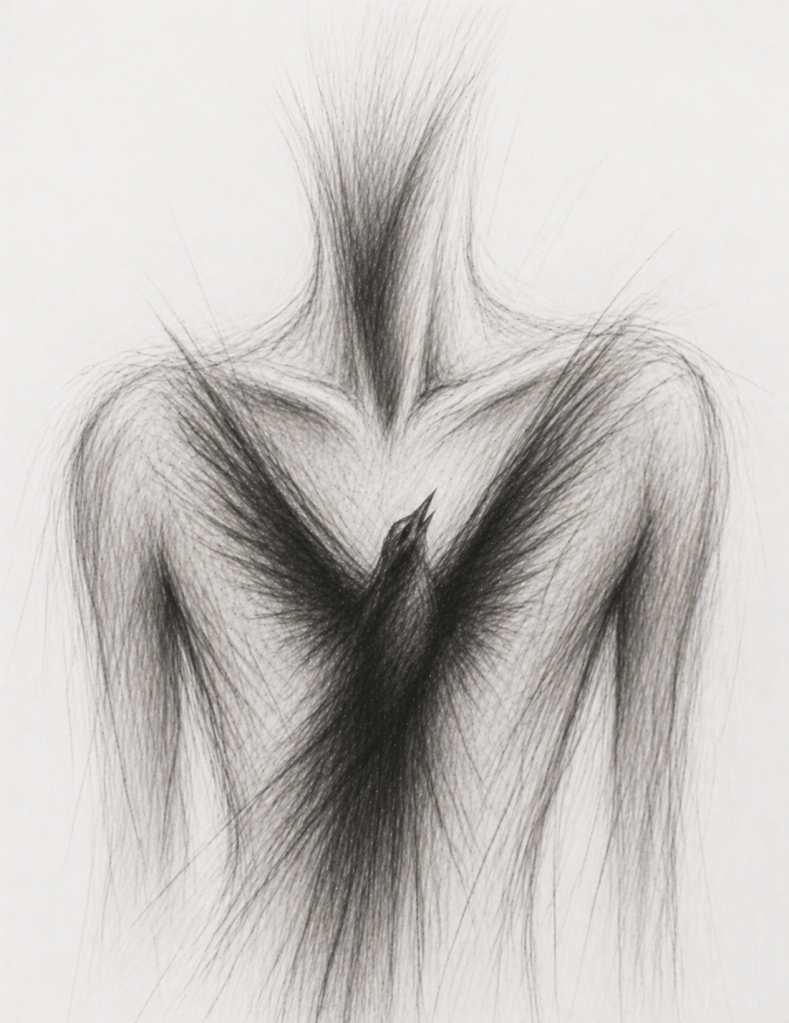
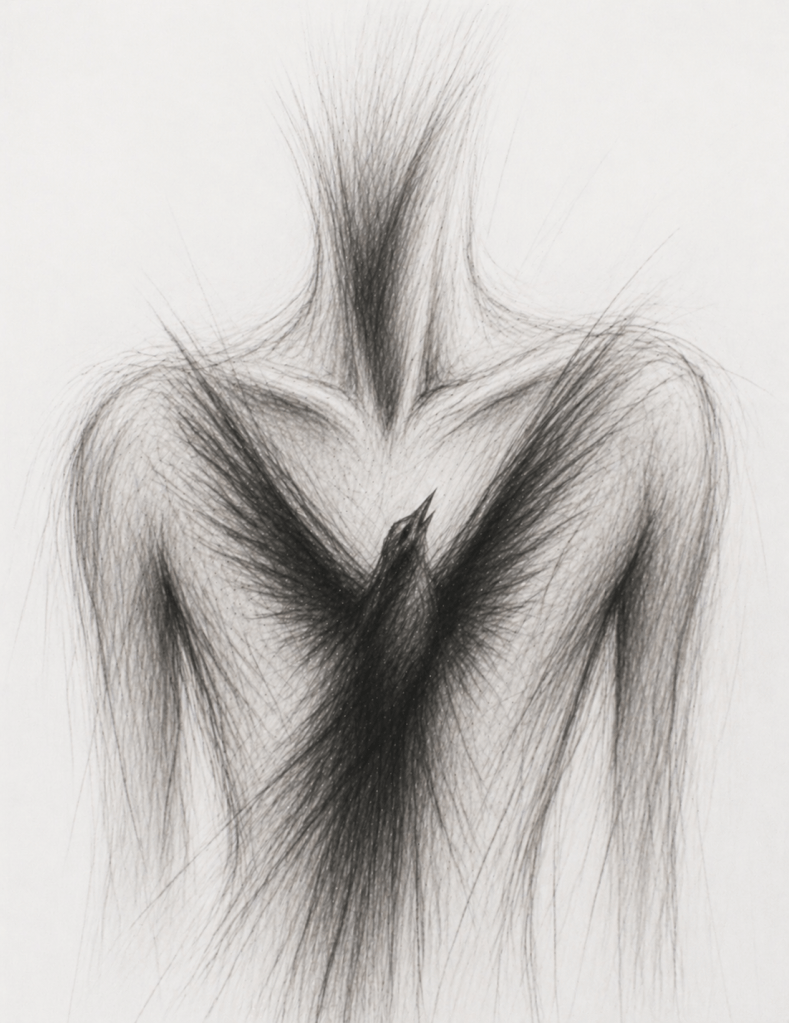
Underneath him were the ashes.
All of them.
Ashes beneath the body that was still breathing.
I woke terrified.
For years, I remembered the dream as a message about death. Now I am not sure it was.
Maybe the hallway had been there all along.
There have been many of them since: the corridor outside my father’s room, the hallway outside my sons’ bedrooms when they were still young enough to need me, the airport passage where one of them walked away in uniform and did not look like a child anymore, the narrow stretch of my own house after everyone has gone home, a restaurant after closing—chairs turned over, lights lowered, the day emptied out of it.
Even now, I am often standing somewhere between what was and what comes next.
Not grieving as I once did.
Not free of it either.
Not the woman I was.
Not yet the woman I am becoming.
A hallway.
The cruel thing about hallways is that you can still see the door behind you. Sometimes you can still hear voices through it.
But you cannot live there anymore.
I have spent years trying to return to rooms that no longer exist: the room where my father was alive, the room where my sons were children, the room where I believed love, if it was deep enough, would eventually become honest, the room where I knew who I was.
But memory is not a key.
It opens nothing.
It only lets you stand close enough to remember the shape of the handle.
Maybe that is why my dreams keep building hallways.
Rooms suggest arrival. They suggest certainty. They suggest that something has finally been decided.
Hallways do not lie that way.
They admit that we are between things. They admit that the person who enters is not always the person who comes out. They admit that sometimes there is no revelation on the other side.
Sometimes there is only another corridor.
Another number.
Another door.
I used to think transition meant I was lost. Now I think it may be the most honest place a person can stand—not where she was, not where she is going, but in the long passage between them.
And perhaps that is why my dreams never give me a destination.
I have spent so much of my life becoming someone else that my subconscious no longer bothers building rooms.
It builds another hallway.




You must be logged in to post a comment.