Tag: mothers and daughters

  • No Patience for Plath

    My mother says I cannot speak like a normal person. She says every conversation with me turns into a metaphor with no parking.

    “Talk to me like a human being,” she says. “I don’t need a poem. I asked you a question.”

    And I laugh, because she is right.

    Then I tell her, “Well, I’m not human. So why would I speak to you like one?”

    This, of course, does not help.

    She looks at me like I have personally insulted common sense.

    “Enough.”

    “Speak normally.”

    But somewhere along the way, my thoughts stopped walking in straight lines. They started taking the scenic route, turning left where everyone else would have simply answered.

    And please understand—

    this is incredibly amusing to me.

    Because my mother is not a woman without language. No. My mother has language. She can say one sentence and make it sound like a door being thrown open during a storm.

    So when she tells me not to speak in poetry, do you understand how funny that is?

    This woman, who can slice the air with one sentence, wants me to hand her plain bread.

    I own the entire collection of Sylvia Plath.

    Every book.

    Every page.

    Every bruise.

    I have not opened a single one in over a decade. Not because I stopped admiring her. I didn’t.

    It is just that somewhere along the way, those books became less about Sylvia Plath and more about my mother.

    Once, while we were rearranging books, I left my Sylvia Plath collection on the coffee table. My mother and I both own a ridiculous number of books, but I do not write in mine. I do not underline. I leave the pages alone.

    So when I came back and saw ink on Sylvia Plath, I almost left my body.

    My mother had underlined things.

    Not gently.

    Not in pencil.

    Ink.

    On the page.

    In my book.

    As if Sylvia Plath had not already suffered enough.

    Then she looked at me and asked, “Does this make any sense to you?”

    And I said, “Well, you have to look at her from where she was standing.”

    My mother shook her head.

    “This is the most heartbreaking thing. There is no joy in these books.”

    And I was upset.

    Obviously.

    Because again,

    actual ink.

    But I also laughed, because somehow my mother had managed to vandalize Sylvia Plath and prove my entire point at the same time.

    Ever since that day, I have quoted Sylvia Plath to my mother every chance I get. Not because I’m feeling particularly Plath-like. Not always.

    Sometimes I do it simply because she underlined my books.

    This is what you get.

    You touch my Sylvia Plath, and now you have to live with Sylvia Plath.

    Forever.

    Every now and then, she’ll ask, “What are you doing today? What plans do you have?”

    And instead of saying work, errands, laundry, coffee, like a normal daughter, I’ll answer,

    “I desire the things which will destroy me.”

    She closes her eyes.

    And I smile, because she knows.

    This has nothing to do with today.

    This is an old debt.

    The punishment for underlining my books.

    And I have every intention of collecting it for the rest of her life.

    My mother has no patience for Sylvia Plath.

    To me, she is a poet.

    To my mother, she is a weather warning. A pressure drop. A room losing air. An anxiety rash waiting to happen.

    The kind of poet who makes my mother’s soul reach for antihistamines.

    Too much ache.

    Too much bell jar.

    Too much woman

    making pain
    answer back.

    So when my mother tells me not to speak in metaphors, I try.

    I really do.

    But I don’t know where normal ends and language begins.

    I have never been fluent
    in ordinary.

    My mind

    has always preferred

    the long way home.

  • She is Prose

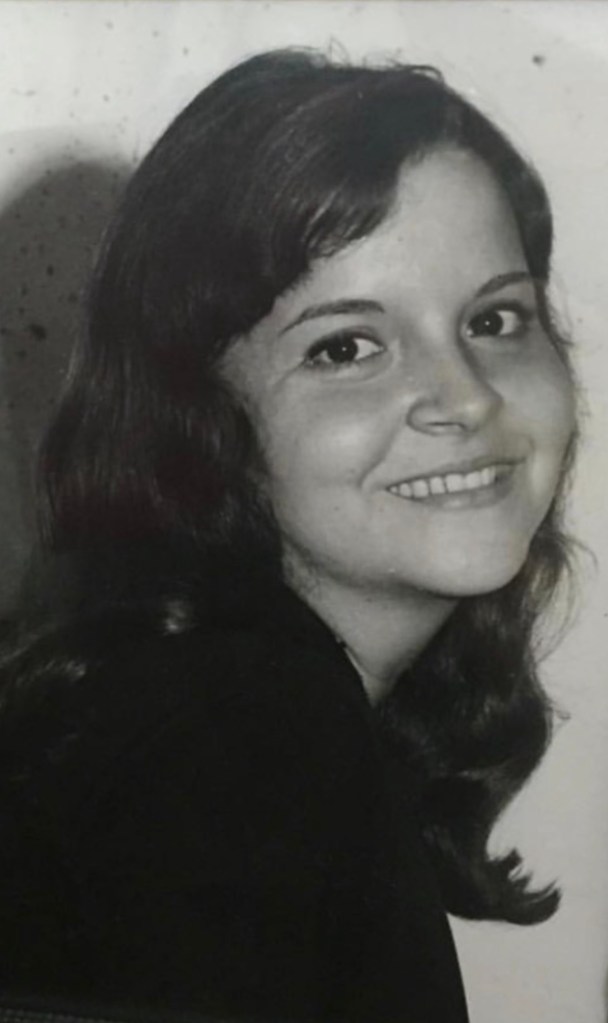
    In one photograph,
    my mother is carrying me.

    In the other
    I am carrying my son.
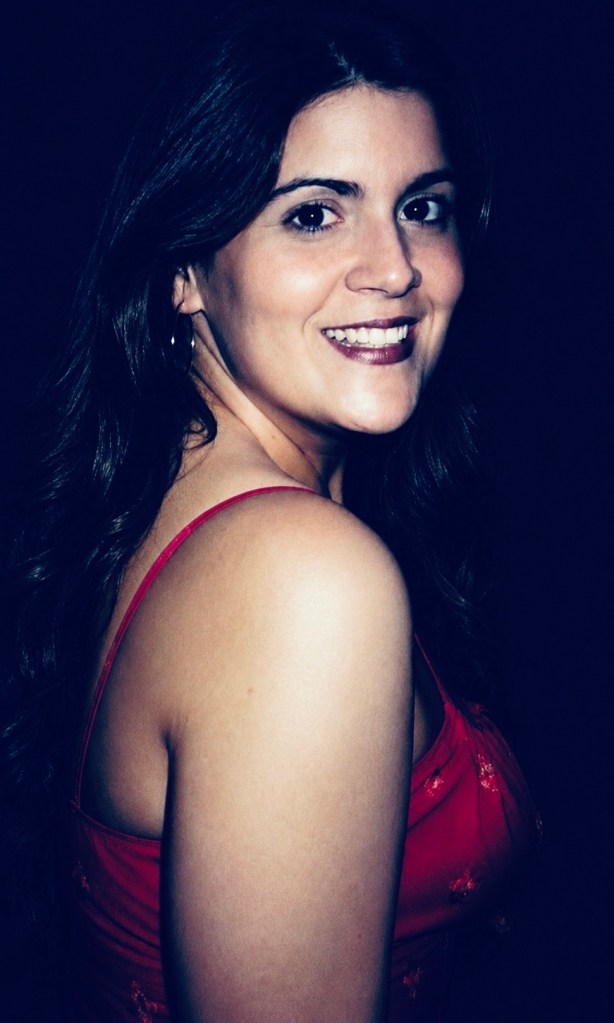
    Same age.

    Two women
    holding their children
    before life asked them
    to prove
    they could survive
    being left.

    She had me.

    I had him.

    And between us
    something was left open

    not a lesson

    not a punishment

    just the door
    life forgot
    to close gently.

    My mother was six
    when they left her.

    Six.

    A little girl
    in a room
    that was not home

    a bed
    that did not know
    her body

    a hallway
    with no mother
    coming through it.

    People always have reasons.

    Divorce.
    Distance.
    Survival.
    History.
    Fear.

    But children
    do not live
    inside reasons.

    They live inside rooms.

    They listen
    for footsteps.

    They learn the door
    before they learn
    the world.

    And still

    that child
    became my mother.

    The best mother.

    She is prose.

    Not simple.

    Never simple.

    Prose like rice.
    Laundry.
    Hands.
    A forehead checked for fever.
    Call me when you get there.

    Prose like love
    with its sleeves rolled up.

    She was a writer

    but before I knew
    her words on paper

    I knew the language
    she made in the house.

    Food.
    Worry.
    Sacrifice.

    The daily grammar
    of staying.

    She made motherhood
    her full-time work

    until it became
    the pillars
    holding up
    our house.

    Then there I am

    same age

    with my son
    inside my life

    still young enough
    to believe
    being loved
    meant being held.

    And life
    asked me too.

    Not at six.

    Not in a school.

    But in the room
    where a woman
    should never be left

    with a newborn
    and a body
    still open
    from becoming
    a door for life.

    I learned then
    what my mother
    must have known
    too early:

    that something
    can leave the room
    and still live
    in the body.

    But I stayed.

    Not beautifully.

    Not without fear.

    But I stayed.

    And maybe
    that is what passed
    between us.

    Not the eyes.

    Not the mouth.

    The terrible grace
    of becoming
    the place
    a child can return to.

    She answered
    with a house.

    I answered
    with my arms.

    Two women.

    Same age.

    Different photographs.

    Both carrying
    a child
    against the oldest
    kind of fear.

    And still

    nothing in us
    handed the child
    back to the dark.

    She stayed.

    I stayed.

    And maybe
    that is the holiest thing
    a woman can do

    after the door
    has taught her
    its cruelty

    stand there

    with the child
    in her arms

    and refuse
    to become
    another leaving.