Tag: poetics

  • I have tried
    to keep poetry
    as a pet.

    I gave it a place to sleep.

    I fed it
    the parts of myself
    I could not say
    without becoming unbearable.

    It ate everything.

    My mother’s aging.

    My father’s absence.

    The men I loved
    beyond the point of dignity.

    It ate the woman
    I used to be

    and came back hungry.

    Mine has ruined furniture.

    It has found every place
    I healed badly

    and slept inside it.

    It has dragged
    every version of me
    I buried

    back through the house

    leaving them
    at least my feet

    as if I should
    thank it.

    Sometimes
    it disappears.

    I search for it
    inside the silence

    under the bed

    behind every sentence
    I try to force
    into meaning.

    Nothing.

    I begin to wonder
    whether I have emptied myself
    so completely

    there is nothing left
    worth feeding anymore.

    Then I feel it move.

    Not gently.

    It has never bitten me.

    It simply waits
    until I call something healed

    then nudges it

    with one quiet word.
    Sometimes I think
    poetry isn’t eating me.

    It’s removing

    everything

    that isn’t mine.

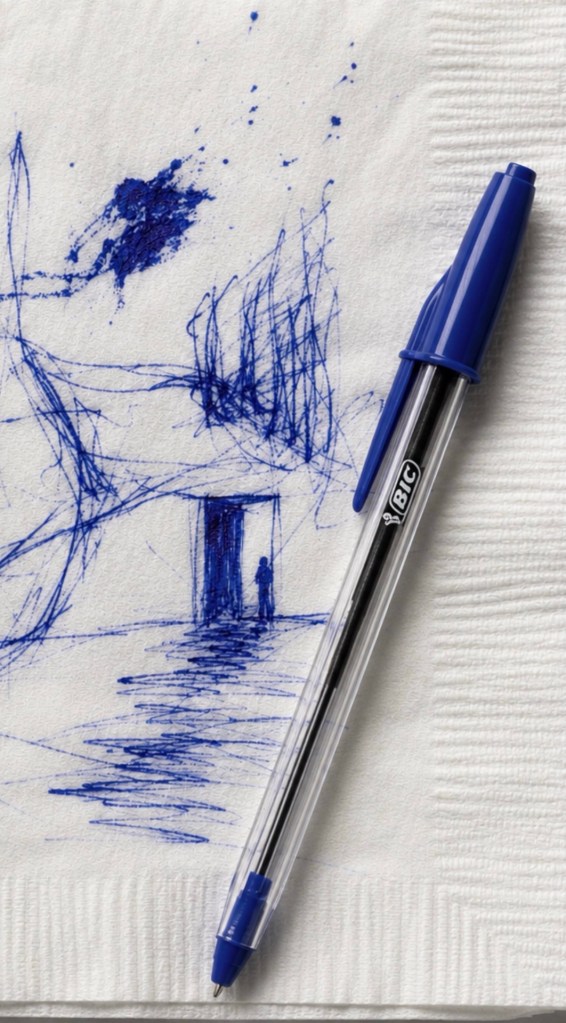
    I open the door.

    It walks past me,

    carrying something of mine

    still trying
    to become
    a sentence.

    I spent years believing
    I was keeping poetry alive.

    It never wanted food.

    It wanted
    the woman
    who walked into the poem

    because it knew

    she would not be

    the one

    who walked out.

  • Point of Entry

    People ask me about technique.

    I disappoint them.

    I have never sat down
    to write a poem
    thinking about meter
    or form
    or whether the line
    should break here
    instead of there.

    That does not mean
    those things do not matter.

    It means they were never
    my point of entry.

    I don’t write
    because I understand
    what I’m feeling.

    I write
    because I don’t.

    I don’t know where a poem begins.

    I only know
    that sometimes
    I write a sentence
    and spend years
    becoming the person
    who can understand it.

    Maybe that is where the poem begins.

    Not in clarity.

    In the private disorder
    language has not yet learned
    how to hold.

    The poem arrives before the explanation.

    Before the lesson.

    Before the clean version
    people prefer
    after pain has been made useful.

    I do not trust that version.

    I trust the fragment.

    The unfinished sentence.

    The line that breaks
    because something in me
    cannot continue
    without silence.

    That is technique too.

    Not the kind I studied.

    The kind the body invents
    when the mind
    has no argument left.

    The poem knows before I do.

    It knows where I am hiding.

    It knows what I am circling.

    It knows the truth
    before I can survive
    saying it plainly.

    That is why I write this way.

    Not to confess.

    Confession suggests
    I have arrived somewhere
    with evidence in my hands.

    Most of the time
    I have not arrived.

    Most of the time
    I am still standing
    inside the question.

    And the poem—
    if it is honest—
    does not answer it.

    It simply stays there
    with me

    long enough
    for something true
    to recognize itself.