People ask me why Sylvia Plath.
The answer has never been the same.
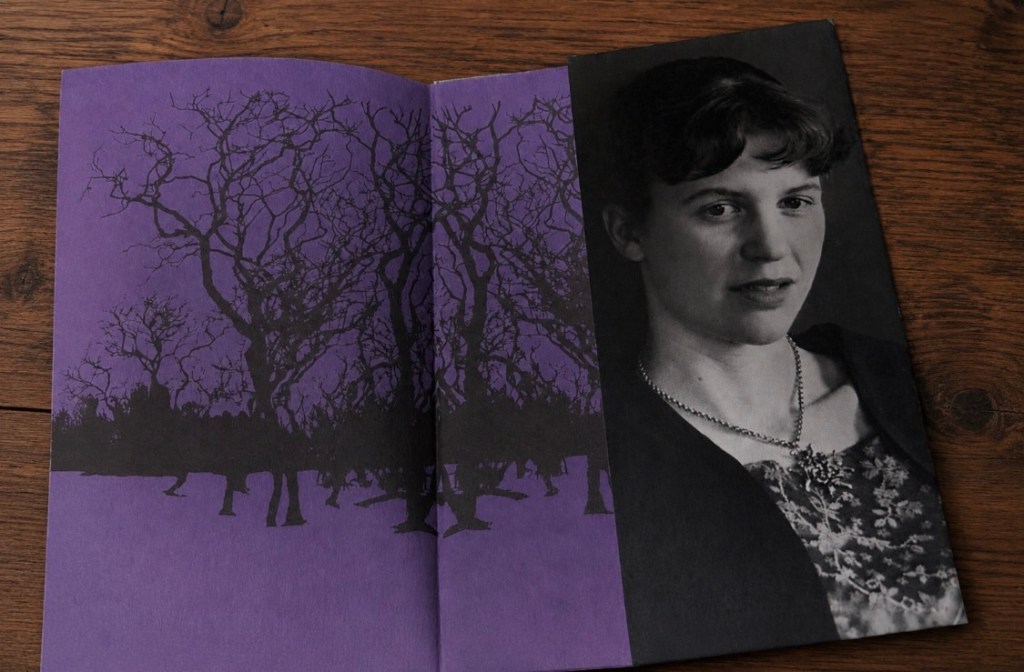
I didn’t discover her all at once. I found her in pieces, in used bookstores on the East Coast when I was in my twenties and still believed a book could explain me back to myself.
The poems.
The novel.
The journals.
The letters.
I have lived with Sylvia Plath on my shelves for decades.
What fascinates me now is that I have never read the same Sylvia Plath twice.
The woman who first opened those books in her twenties is gone. So is the woman who returned to them in her thirties, and again in her forties.
The books never moved.
I did.
That is the strange thing about certain writers. They stay exactly where you left them, waiting for you to become another woman.
People often assume I loved Plath because of the darkness.
I didn’t.
I loved her because she refused to pretend the darkness wasn’t there.
There is a difference.
Here was a woman who seemed to do everything right.
She married.
She had children.
She wrote.
She built the life women were expected to want.
And still.
There was an inner life that refused to be resolved.
That was the part I never got over.
The way a woman can do all the right things and still remain suspended within herself.
Maybe that is why I understood her before I knew how to explain myself.
I have not opened one of her books in years.
Not because I stopped loving her.
Because I survived many things with Sylvia Plath.
And surviving is not the same as staying.
I think that is what literature does if you live long enough.
It does not change.
You do.
And every time you return to it, it hands you a different version of yourself.
The greatest gift Sylvia Plath gave me was never only her words.
It was knowing someone had reached those dark, suspended places before me and left language there.
So when I arrived, I did not feel entirely alone.
Thirty years later, her books are still on my shelf.
I don’t think I’ve been keeping them.
I think they’ve been keeping parts of me.


You must be logged in to post a comment.