It never took much to fill my stomach.
I thought that was simply the way I was.
A small appetite.
A child satisfied easily.
Years later I understood that hunger had already been negotiated long before the plate reached me.
The women in my family were experts at subtraction.
A little less for themselves.
A little more for everyone else.
No announcements.
No speeches.
No visible sacrifice.
Just small adjustments made so often they became invisible.
A spoonful here.
A portion there.
A second helping quietly redirected.
The mathematics of survival.
I never noticed it as a child.
Children rarely do.
I thought food simply appeared.
I thought dinner was dinner.
I thought everyone lived this way.
I did not understand that somewhere between the kitchen and the table, someone had already decided I would eat first.
This was Cuba.
Not the Cuba in photographs.
Not the Cuba tourists carried home in their suitcases.
A society of shortages.
Food shortages.
Soap shortages.
Fuel shortages.
Power outages that arrived without warning.
The endless improvisation required to survive them.
And yet the women continued.
They always continued.
I remember entire aisles filled with Russian canned meat.
The same can.
Again and again.
Shelf after shelf.
As though variety itself had become a luxury.
As though eating anything else had ever been an option.
At the time none of it felt strange.
Children accept the reality they are given.
The astonishing becomes ordinary very quickly.
I remember ash being gathered and sifted through cloth until only the finest powder remained.
No splinters.
No debris.
Only a soft gray dust.
Then the dishes were washed with it.
Astonishing, but true.
The meal fed the family.
The fire cooked the meal.
The ashes cleaned the plates.
Nothing was wasted.
Not food.
Not labor.
Not a single useful thing.
I remember the ash beneath their fingernails.
The smell of smoke that never seemed to leave their clothes.
The certainty with which they moved through scarcity.
As though survival were not remarkable.
As though it were simply what morning required.
Looking back, I realize they treated themselves the same way.
Reducing here.
Stretching there.
Giving and giving until very little remained.
And somehow still finding enough to offer.
Perhaps that is why it never took much to fill my stomach.
I was eating from portions made larger by the hunger of women who loved me.
I miss these women.
More than I know how to explain.
Not because they were perfect.
Not because they never failed.
Because they understood things I am only now beginning to understand.
The quiet negotiations of love.
The invisible mathematics of survival.
The dignity of continuing.
I see every version of myself in them.
The woman who worries.
The woman who nurtures.
The woman who remembers.
The woman who gives more than she should.
The woman who keeps going.
Sometimes I think inheritance has very little to do with what we are given.
Perhaps inheritance is recognition.
The sudden realization that the people we miss never truly leave.
They remain in our gestures.
In our habits.
In the way we love.
In the way we endure.
Today I feel as though I lived a life only fiction could properly explain.
Not because it was tragic.
Not because it was beautiful.
Because it was both at once.
The kind of life where dishes were washed with ashes.
Where store shelves repeated the same can until repetition itself became abundance.
Where women performed miracles and called it chores.
The women in my family were made of salt.
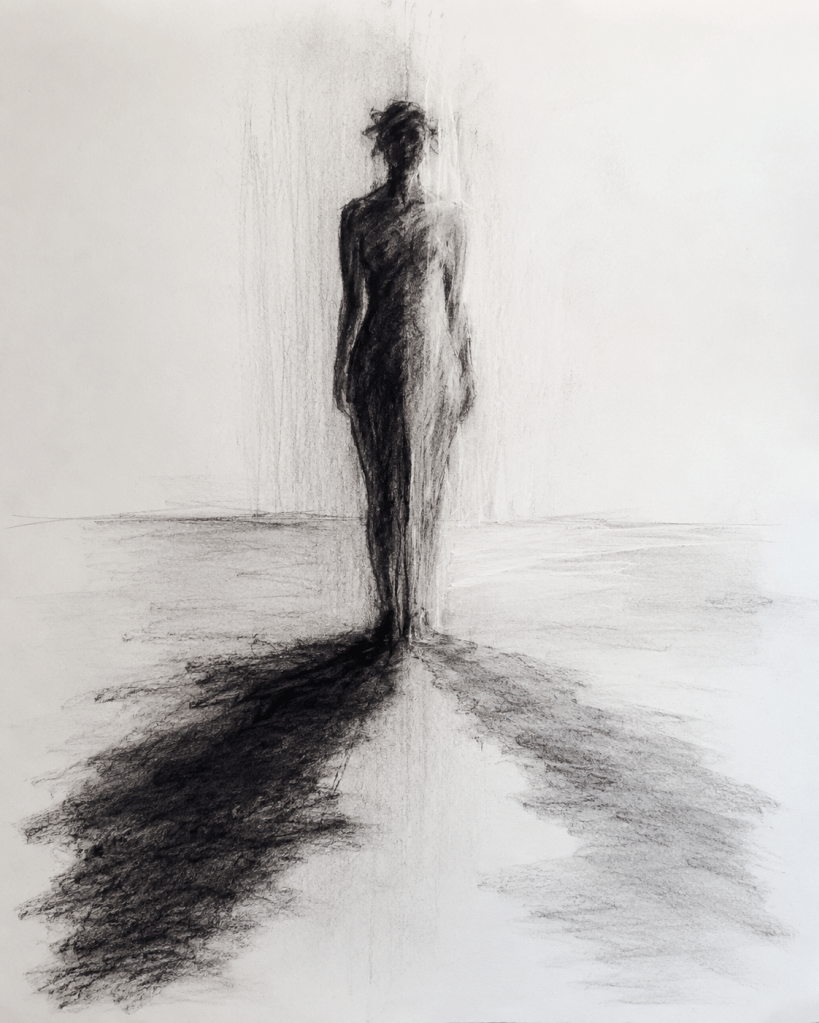
The proof was everywhere.
In the sweat.
In the sea surrounding the island.
In the meals that appeared when there should have been none.
In the hands that gave more than they kept.
In the quiet arithmetic that took place before every meal.
And when I look closely enough, I find them everywhere.
Including myself.


Leave a Reply